Introduction
At the beginning of this month I had the opportunity to test the Fujifilm X-E5. My familiarity with the Fujifilm system goes back many years. I have worked with several of their cameras in the past, but after using the Fujifilm X-E4 I gradually shifted my focus toward film photography and began working more with another system.
For this reason, when I was offered the chance to spend some time with Fujifilm’s new camera, I accepted with genuine curiosity. It had been quite a while since I had used the company’s most recent models, and I was interested to see how the system had evolved with the introduction of newer technologies.
For those who are interested, you can also watch a video in which I share some of my thoughts on street photography, along with photographs I made using the Fujifilm X-E4, via the link provided.
Approaching this camera, however, I should make one thing clear. I do not consider myself a technical reviewer of photographic equipment. My perspective is somewhat different and perhaps closer to that of a photographer reflecting on the tools he uses.
My criteria are rather simple. Beyond specifications and performance, what ultimately matters to me is whether the camera resonates on an aesthetic level and whether it feels natural and enjoyable to hold and work with. In other words, whether the camera invites you to photograph.
Aesthetics and build
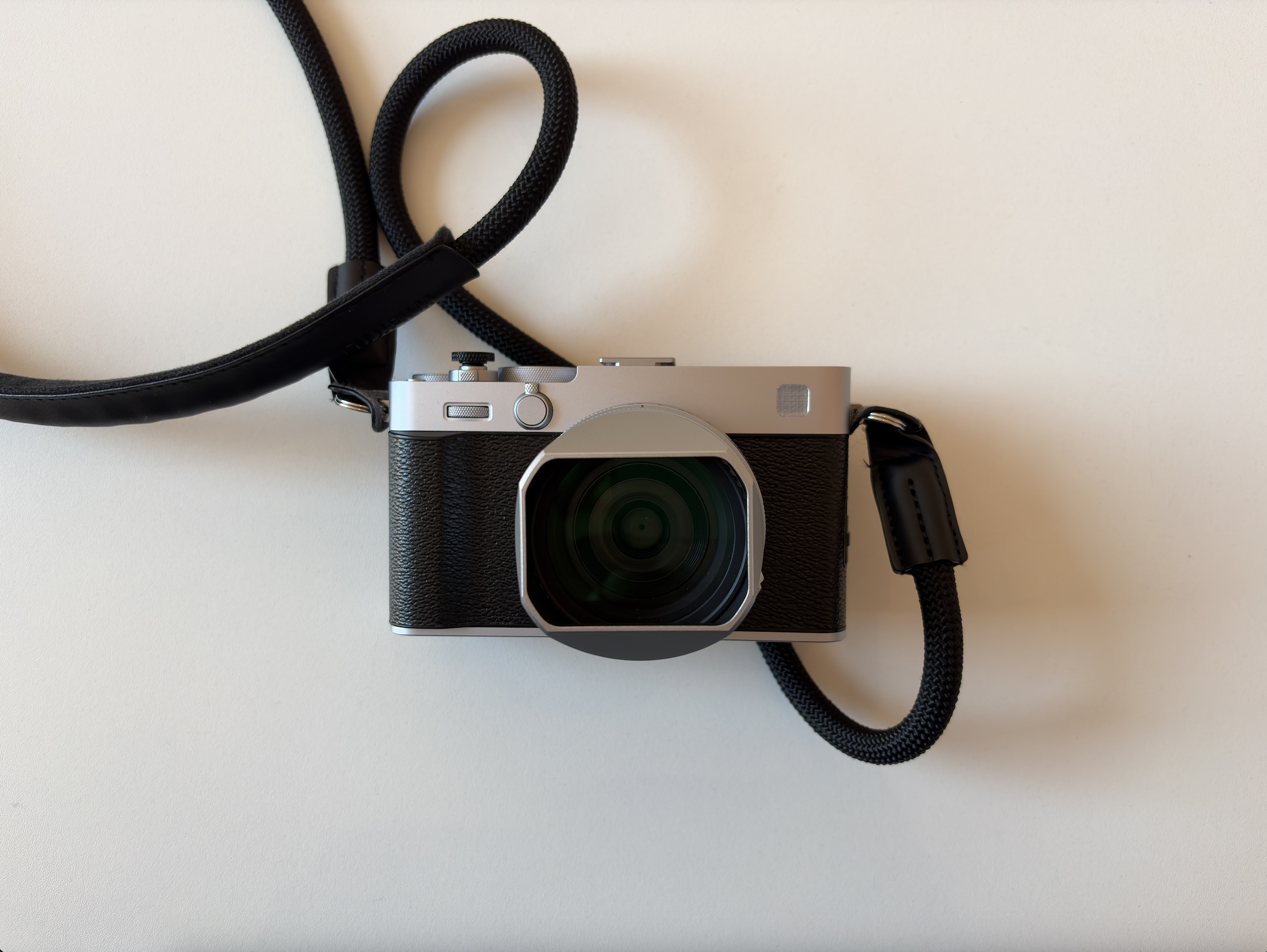
Let me begin with the camera’s aesthetics. One of the first things that pleasantly surprised me was the overall quality of the materials and construction.
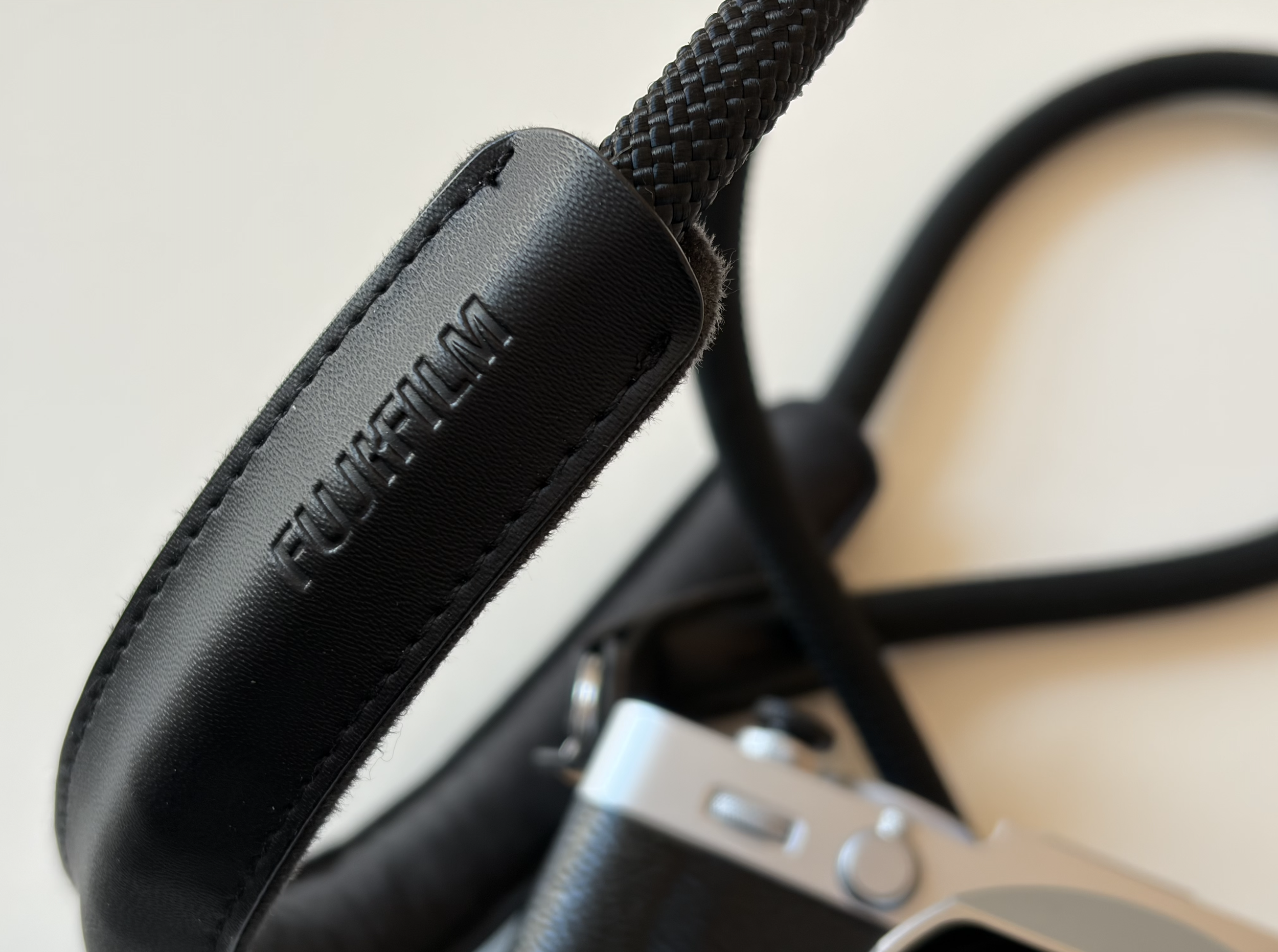
Even small details reveal a certain level of attention from the manufacturer. For example, the camera comes with a strap that is noticeably well made and of genuinely good quality. I do not recall earlier models including a strap of this standard. It is a small detail, but it immediately catches the eye and leaves a positive impression.
Overall, the tactile experience of the camera feels thoughtful and refined. The materials and finishing suggest that Fujifilm paid careful attention not only to functionality, but also to the physical and aesthetic presence of the camera as an object.
A small design detail
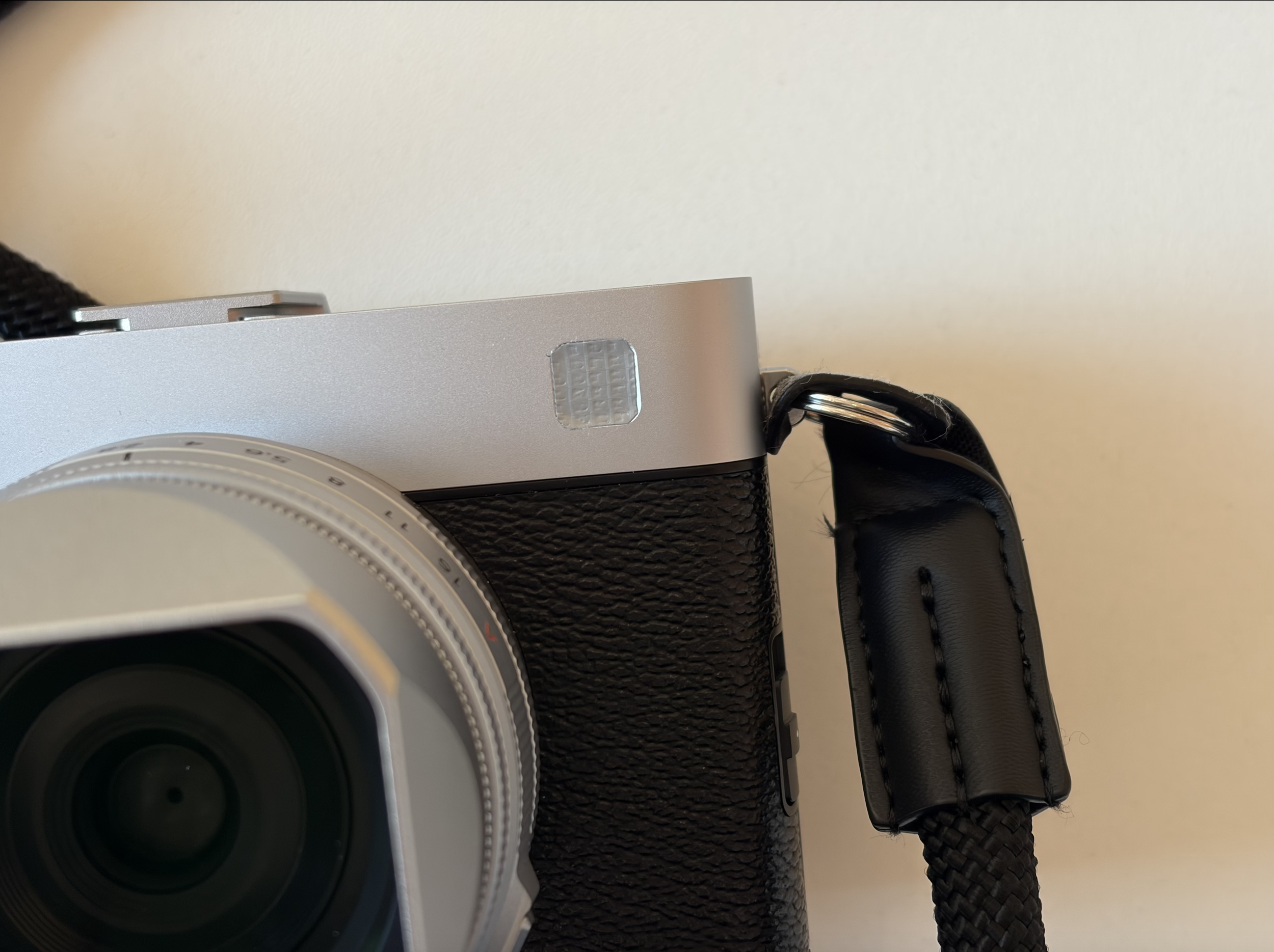
However, not everything feels equally harmonious. One element that immediately caught my attention was the autofocus assist light. The small yellow indicator, positioned where one might visually expect the shutter release area to be, felt somewhat intrusive in the otherwise restrained design of the camera.
Personally, I found it distracting. Fortunately, the solution was simple. I covered it with a small piece of tape matched to the grey metallic colour of the camera body. Once it blended into the surface, the visual balance of the camera felt much more consistent.
Film Simulation Dial
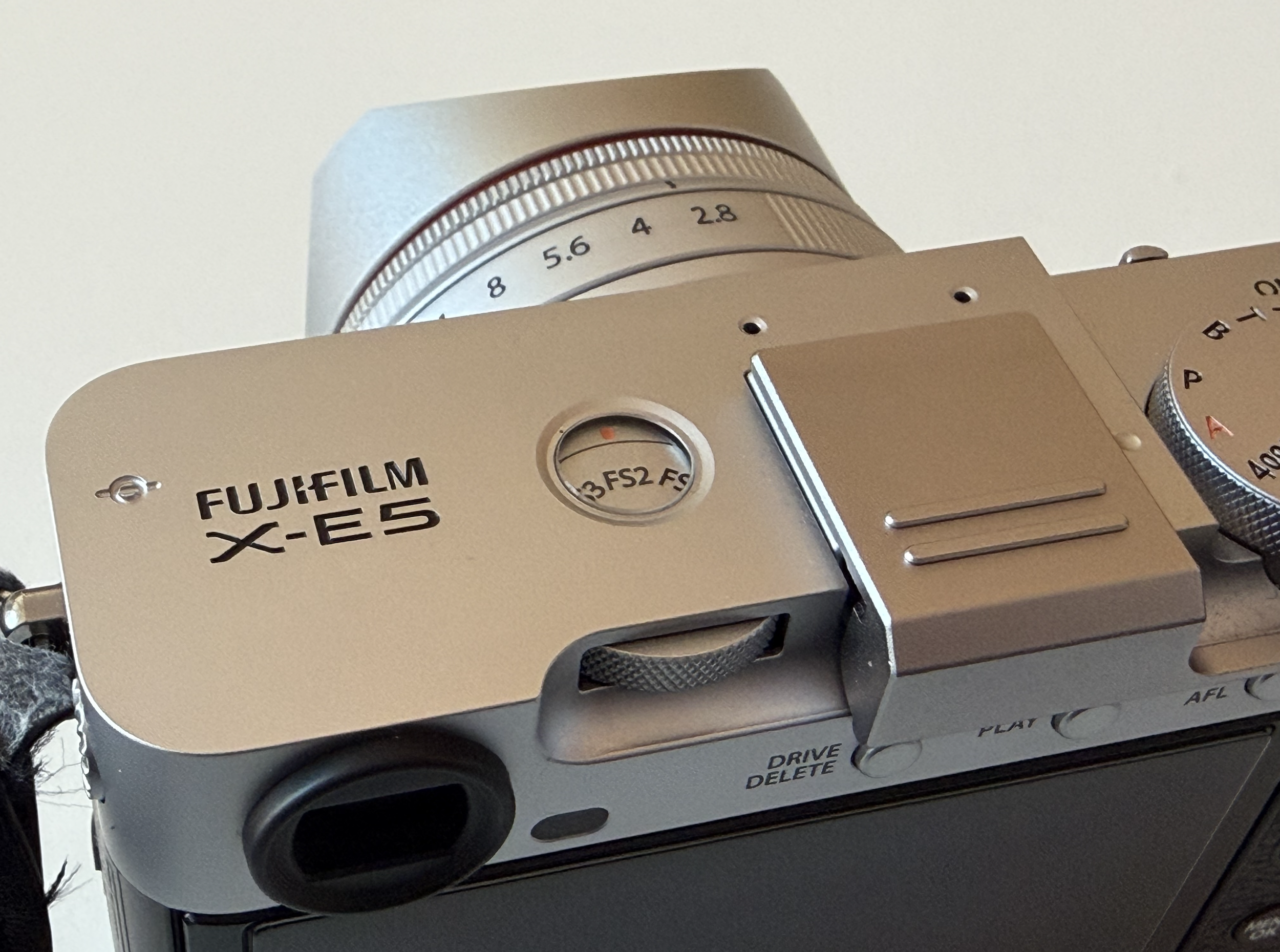
One feature that genuinely delighted me was the film simulation dial. It was one of those moments when you suddenly think, why didn’t I ever suggest this earlier, especially during the times when I had the chance to speak with Fujifilm engineers.
For me, this dial turned out to be one of the most pleasant surprises of the camera.
I photograph exclusively in JPEG, so the ability to switch quickly between my preferred film simulations is extremely important. I typically work with two main looks: one for black and white and one for colour. Both are carefully adjusted to match my personal way of seeing and interpreting a scene.
Having a dedicated dial for this makes the process very intuitive. I look at the scene and immediately understand whether it should exist in colour or in black and white. With a simple movement of the dial I can switch instantly. Sometimes I even turn slightly, imagine the scene in black and white, adjust the setting, and take the photograph in a matter of seconds.
It feels fast, elegant and very natural in practice. In my view, this is a thoughtful and genuinely useful design decision.
Viewfinder experience
Continuing with aesthetics and small but meaningful surprises, I should mention the viewfinder.
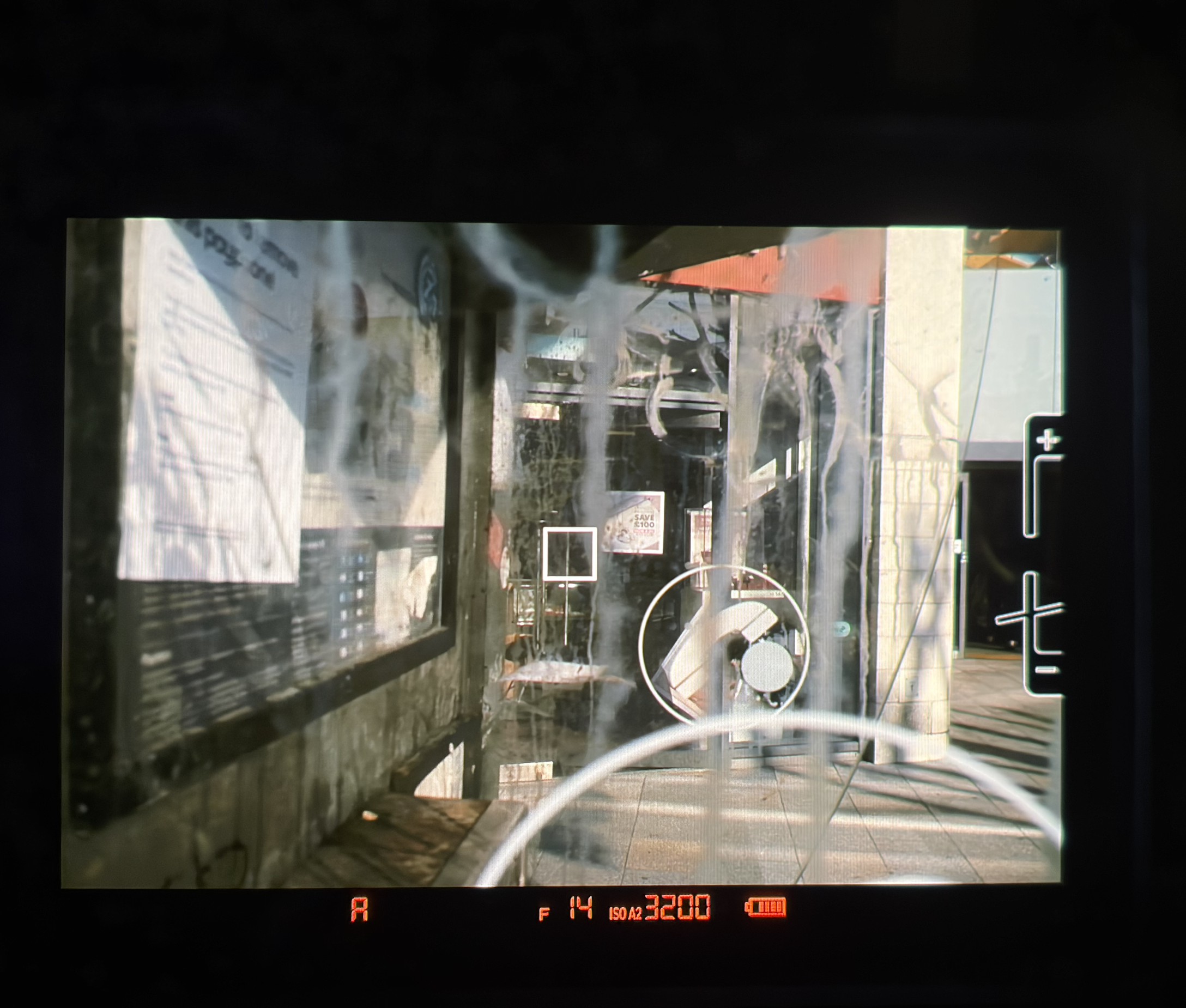
To be honest, I was somewhat hesitant about working with an electronic viewfinder. In many digital cameras the viewfinder can feel overloaded with visual information. Various indicators, icons and illuminated elements often distract from what matters most to me. When I photograph, I want to see primarily the scene itself, the frame, and only the essential information.
Because of this, I have always approached electronic viewfinders with a certain degree of scepticism.
However, Fujifilm managed to surprise me here as well. The new classic-style viewfinder display feels remarkably restrained and natural. The visual experience immediately reminded me of working with some of my many film cameras.
When I first looked through it, it felt as if everything suddenly fell into place. Since then, I have found myself using the viewfinder far more often than the rear screen of the camera.
For photographers who appreciate the experience of film photography, this will likely feel particularly satisfying. I emphasise this point because it genuinely changes the way the act of photographing is perceived. The camera becomes less of a digital device and more of a tool through which you quietly observe the scene.
Accessories
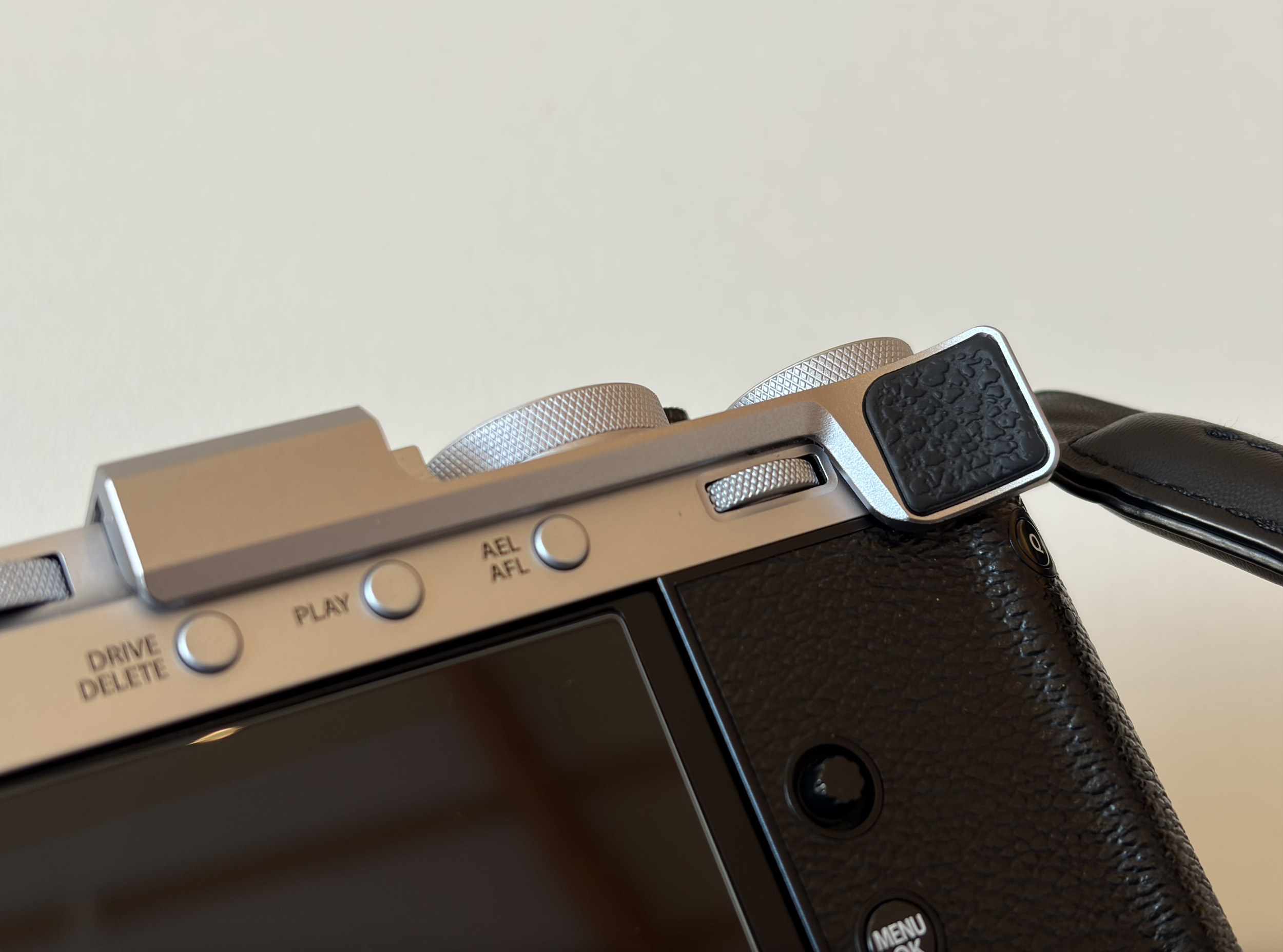
As for additional accessories, I only added a simple thumb grip that attaches through the hot shoe. With this small addition, the camera becomes noticeably more comfortable to hold and operate.
It is a minimal adjustment, but it improves the handling in a very natural way, especially during longer periods of shooting.
The process of making photographs
Now I would like to move to what matters most to me: the actual process of making photographs.
My approach is very simple. I turn off almost all additional buttons and functions. I keep only the central focus point, use single-shot mode, and leave ISO on automatic. Everything else feels unnecessary for the way I work.
I rarely use extra buttons or complex settings. My setup is built around two carefully adjusted colour profiles: one for black and white and one for colour. Beyond that, the process becomes very close to working with a film camera.
In fact, if I were designing a camera myself, many of these numerous buttons would probably not be necessary. So I simply deactivate them and leave only the essential controls.
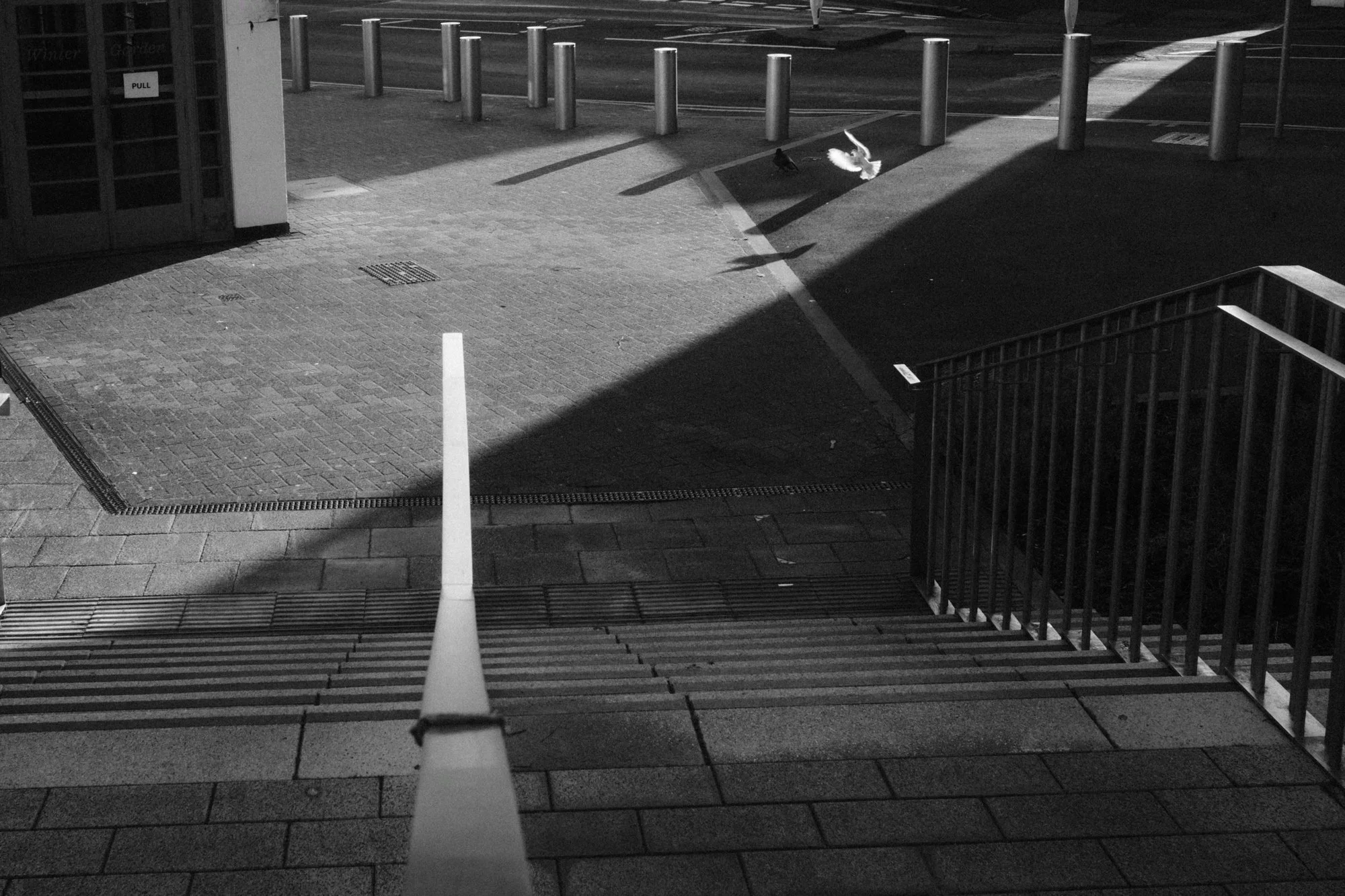
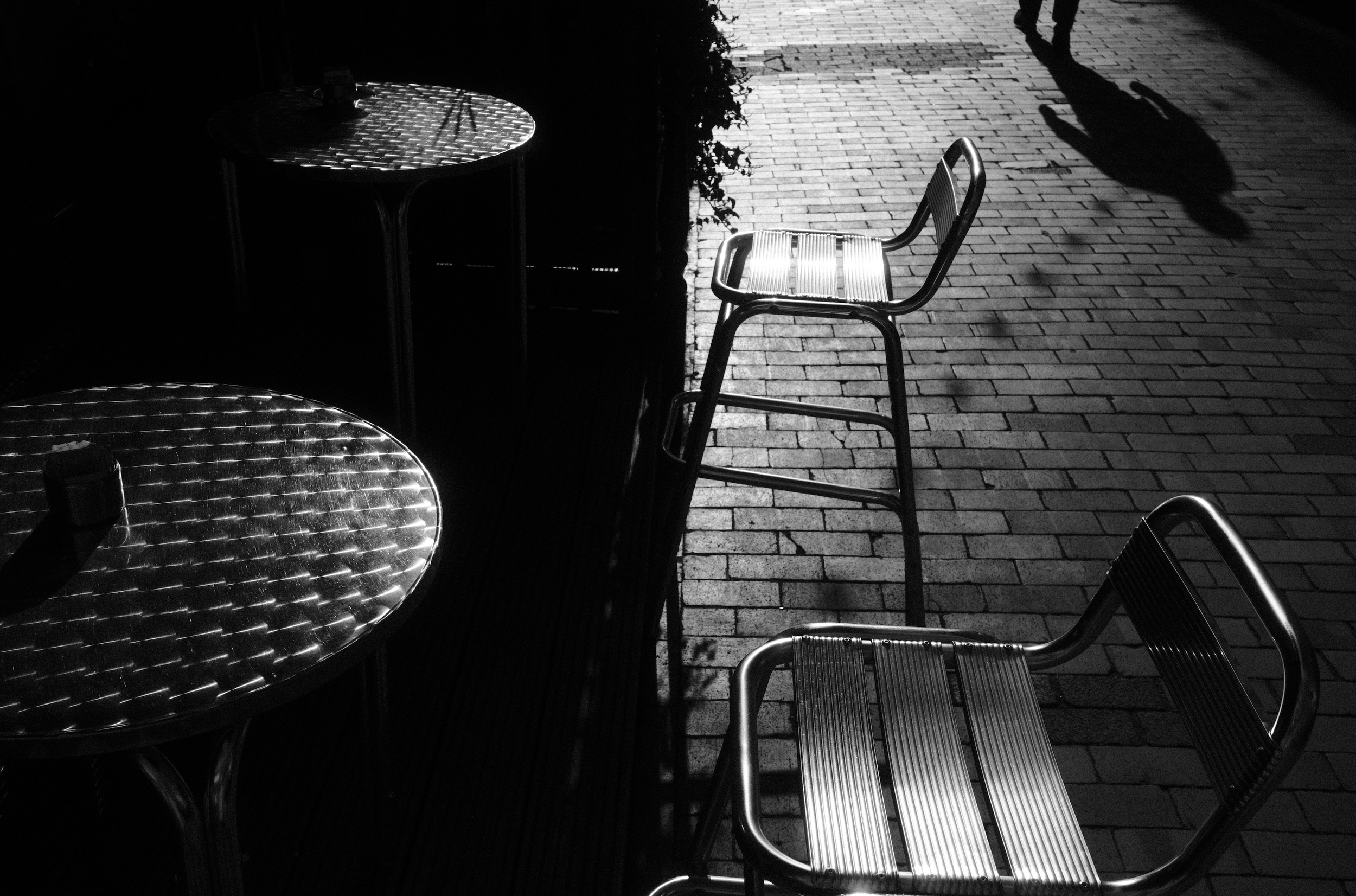
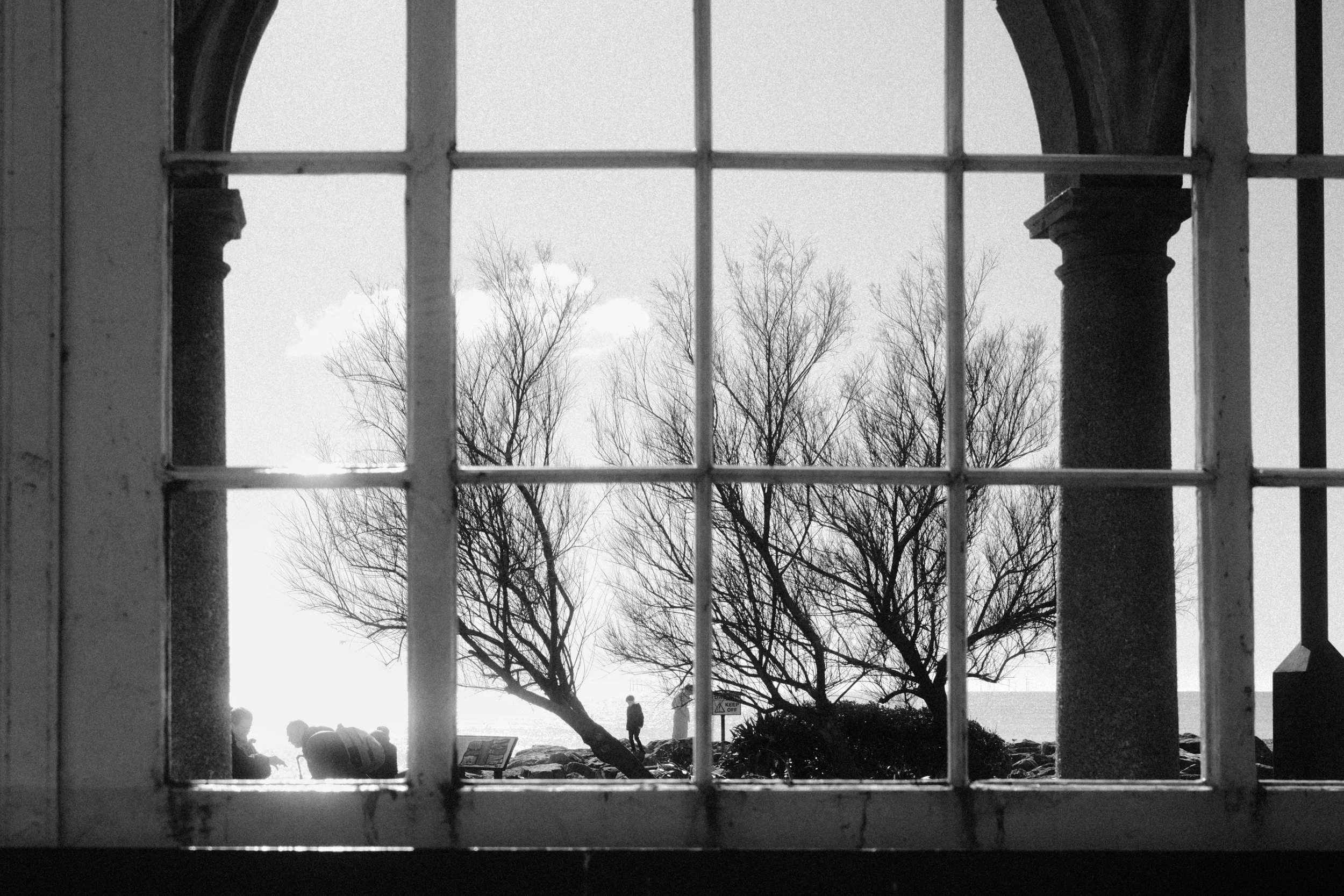
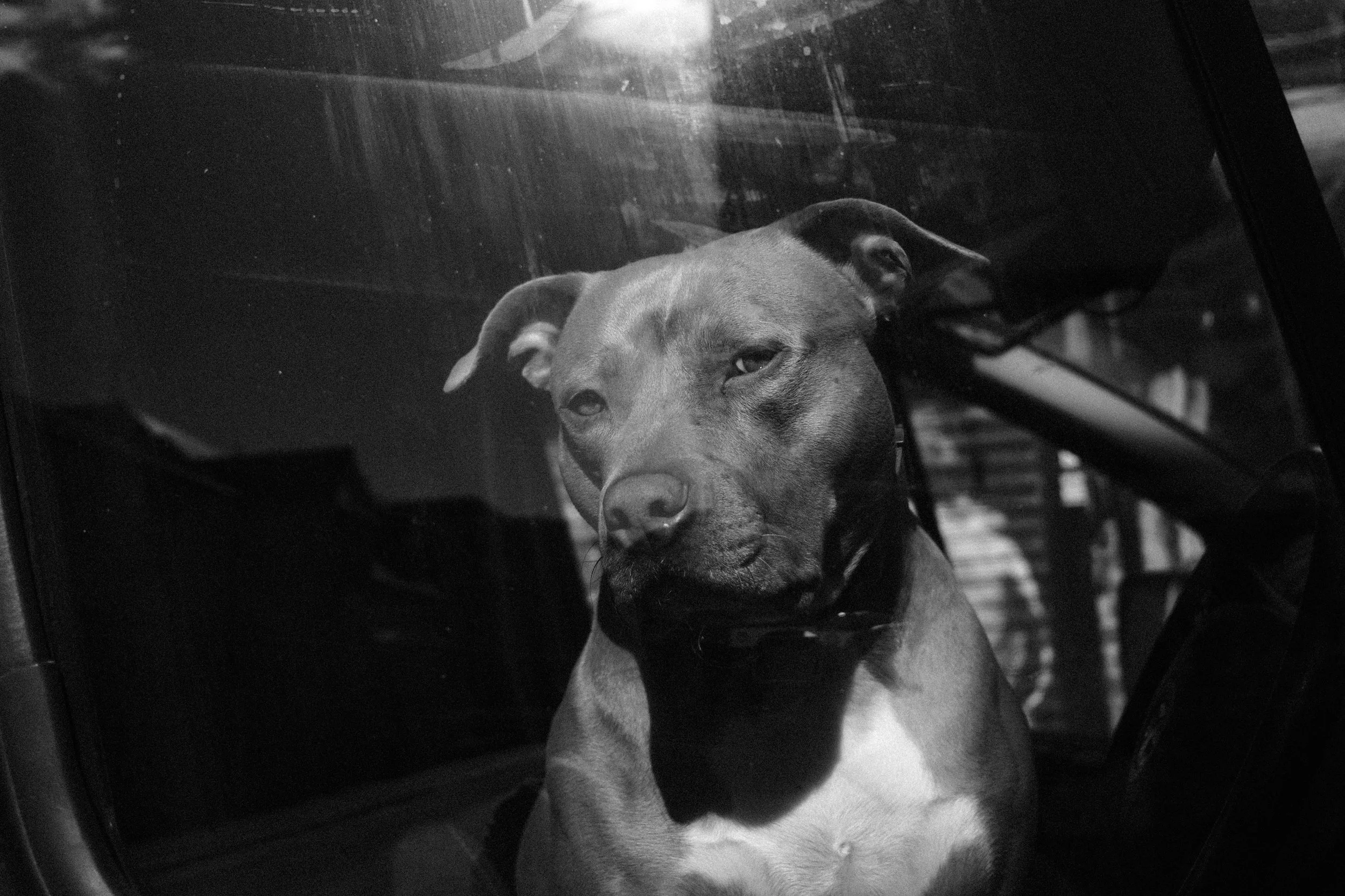
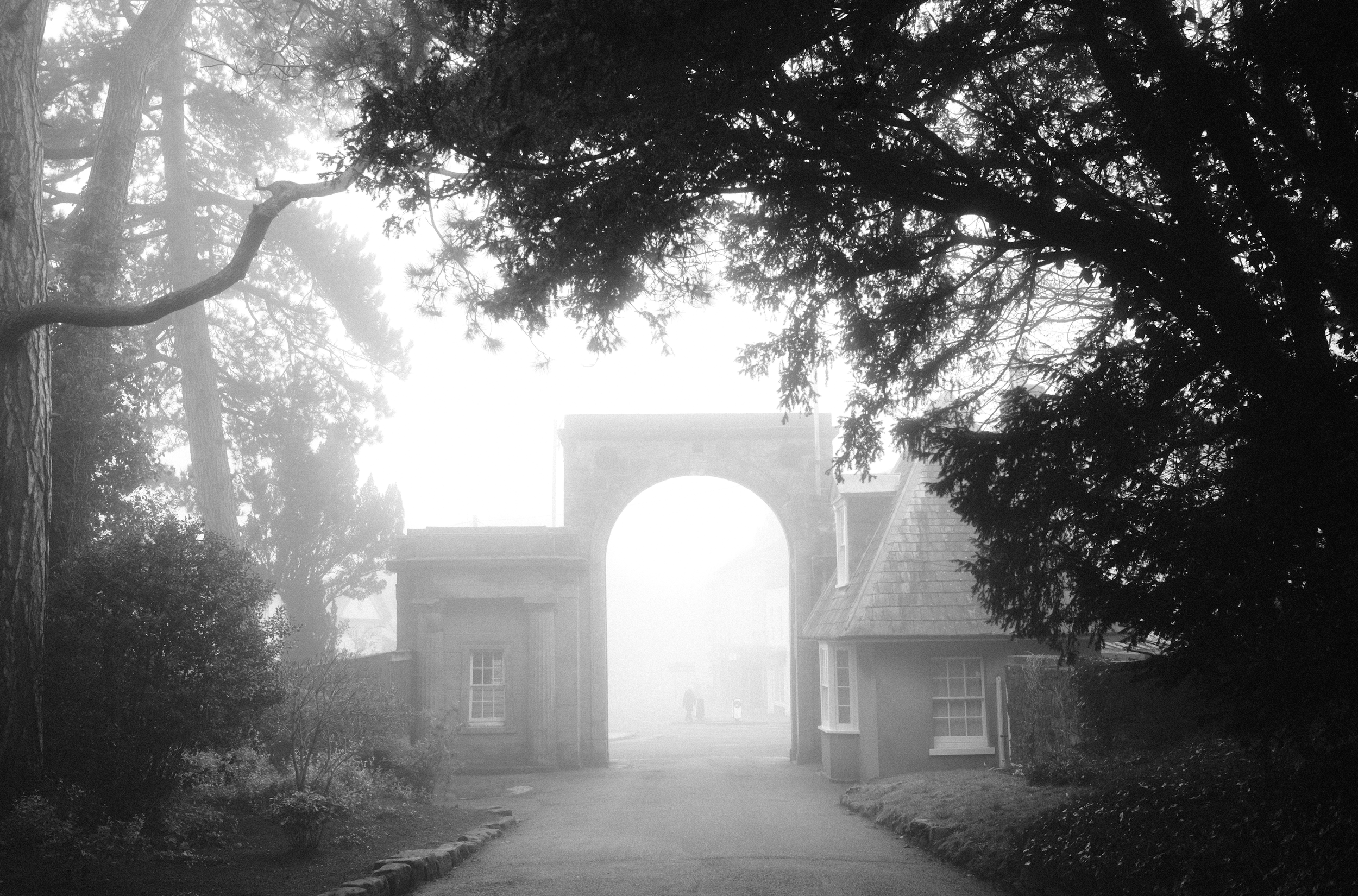
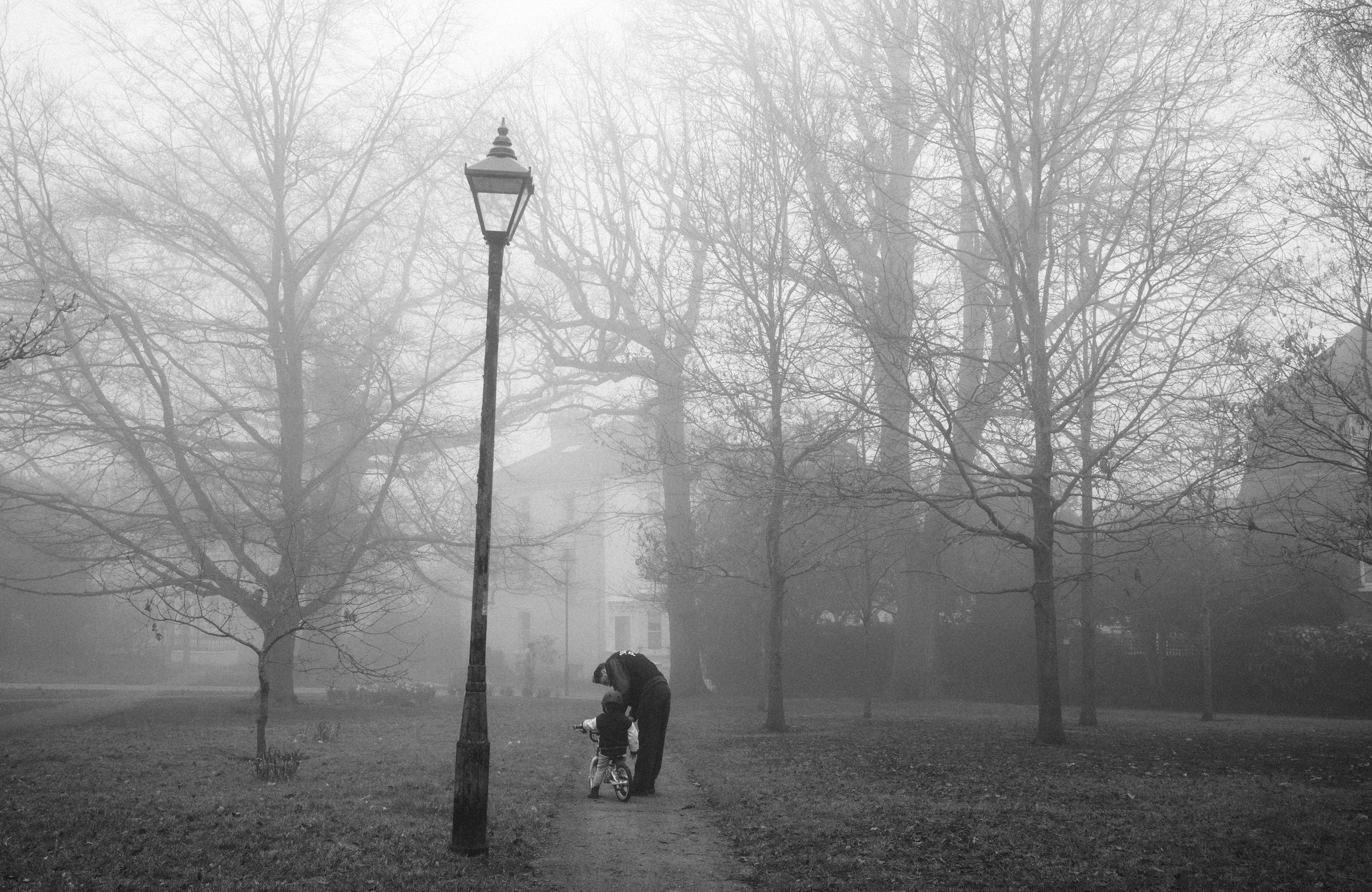
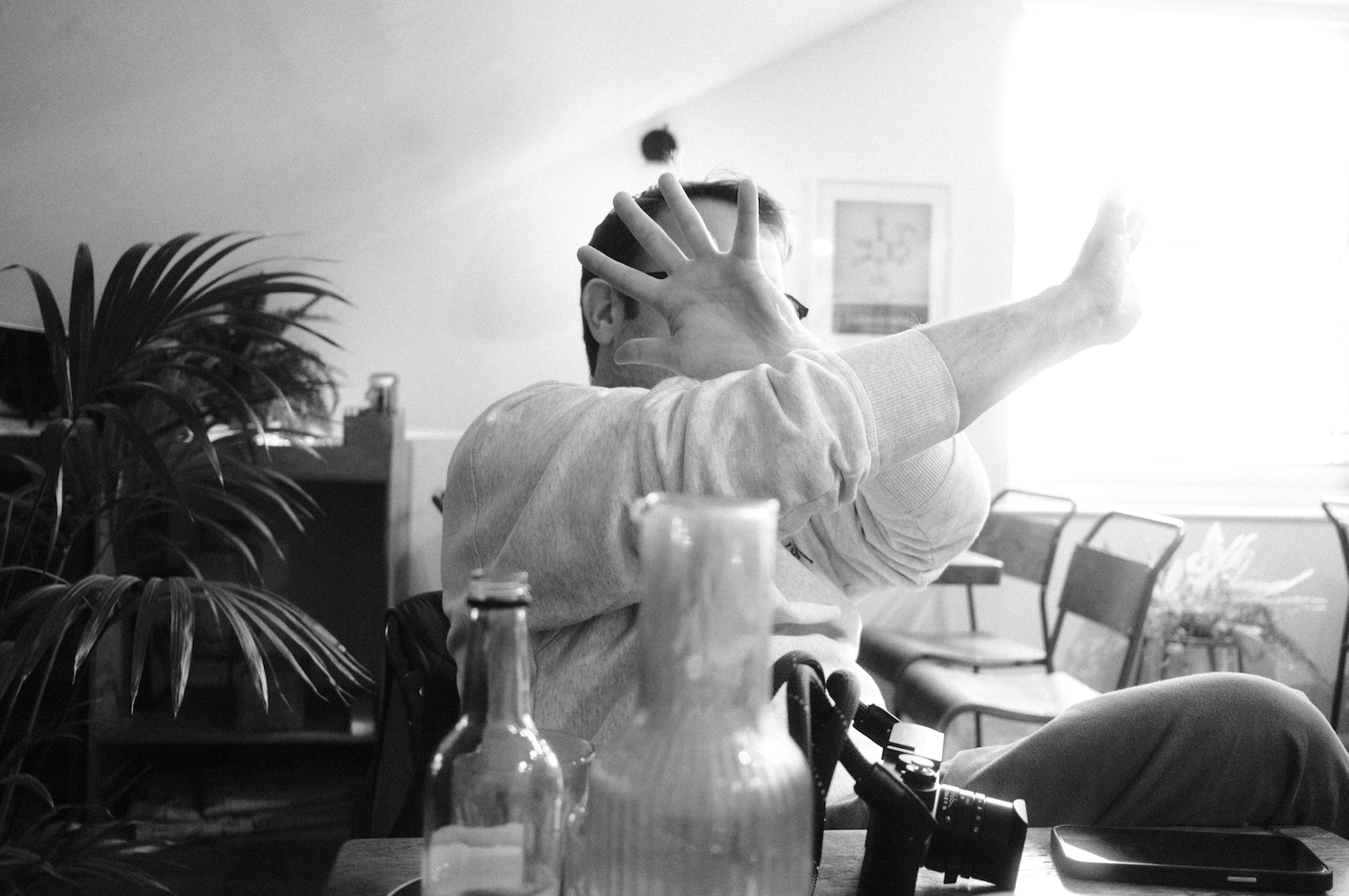
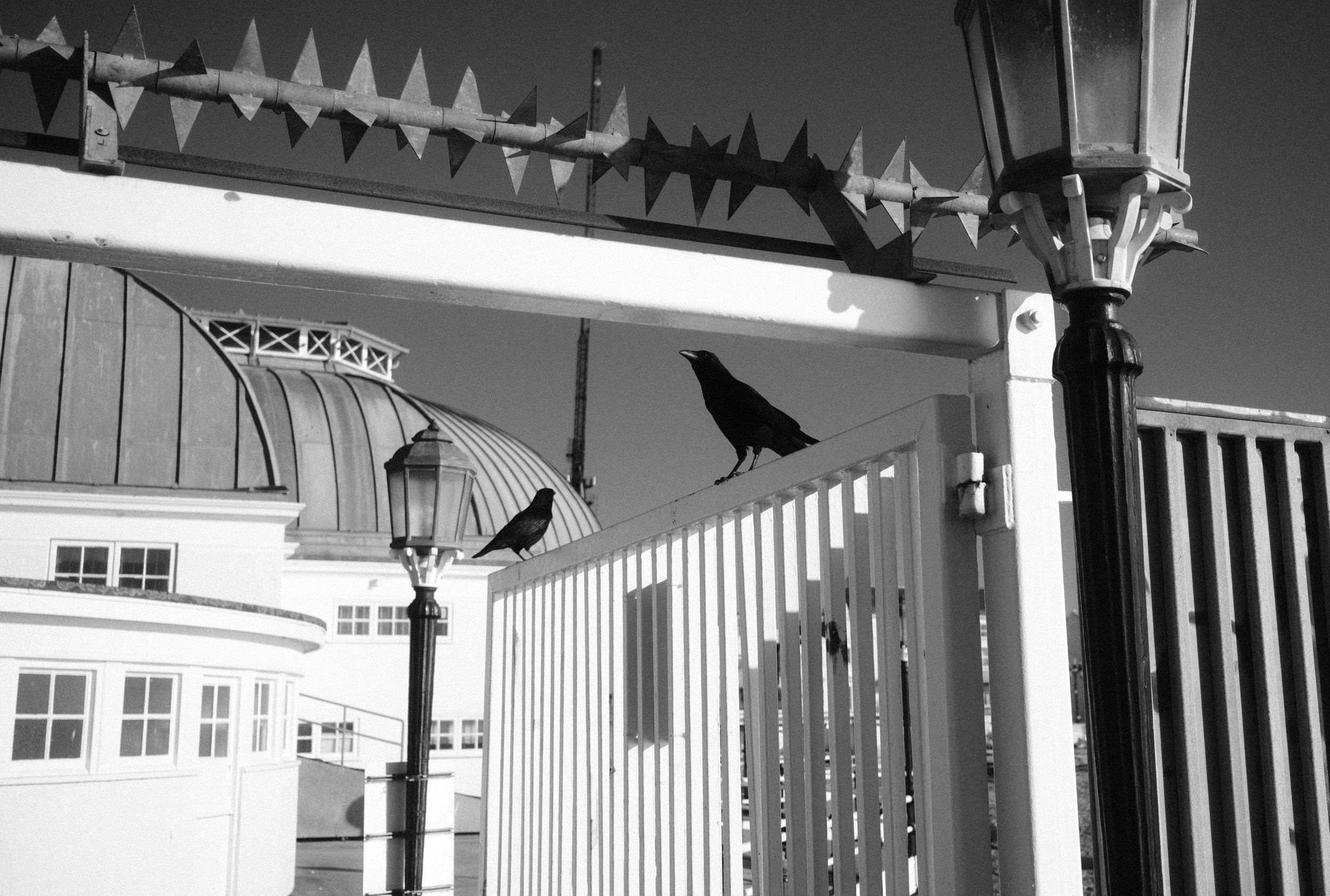
What truly surprised me with this camera, however, was its black and white rendering. I already knew Fujifilm’s strengths with colour, so that was not a surprise. But when I first thought about using the camera, I assumed that black and white photography would not interest me very much, especially after my experience with dedicated monochrome cameras.
Yet the opposite happened. After adjusting the black and white profile to my own preferences, I found myself enjoying the results immensely. It was a genuinely pleasant surprise.
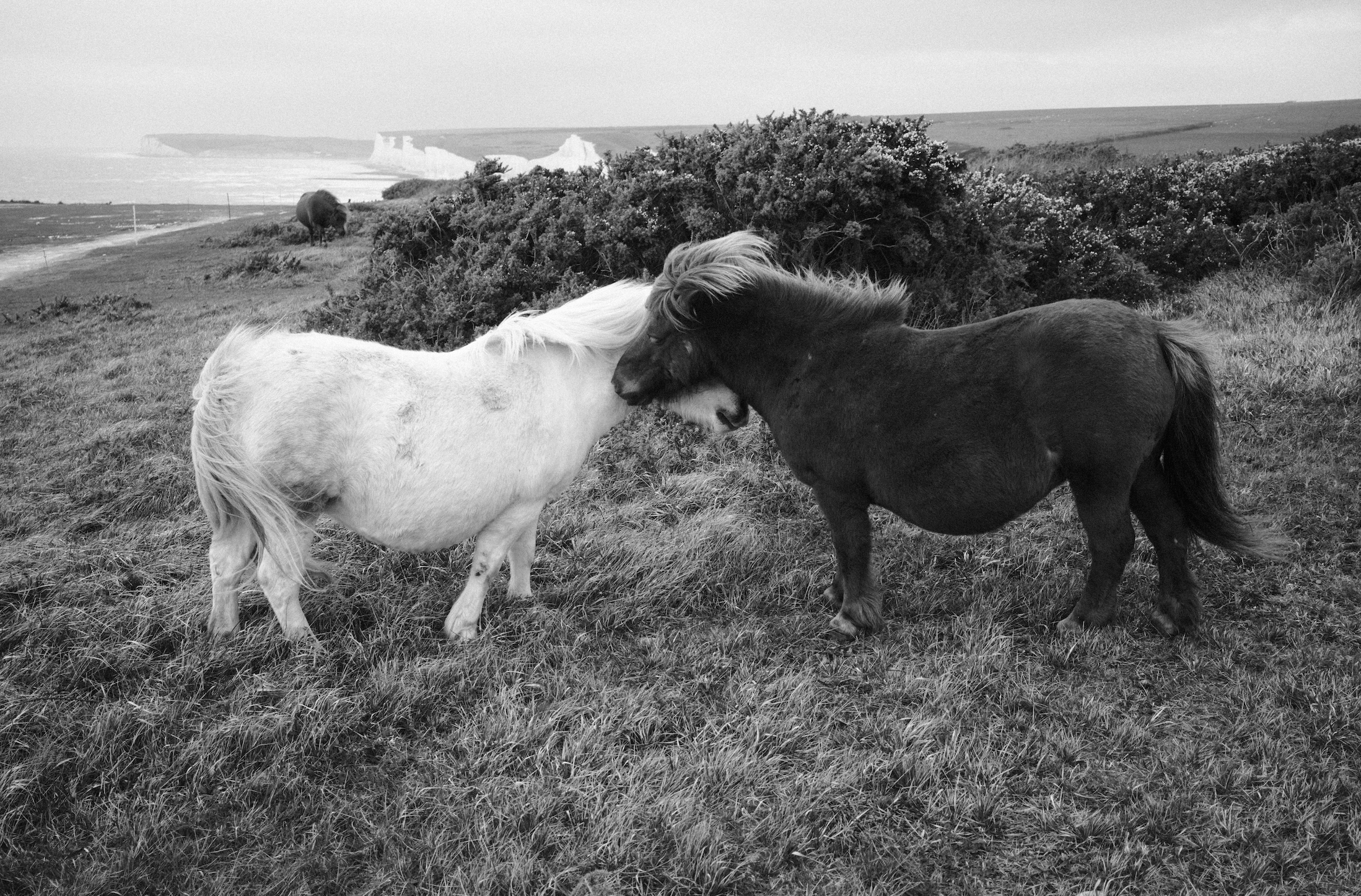
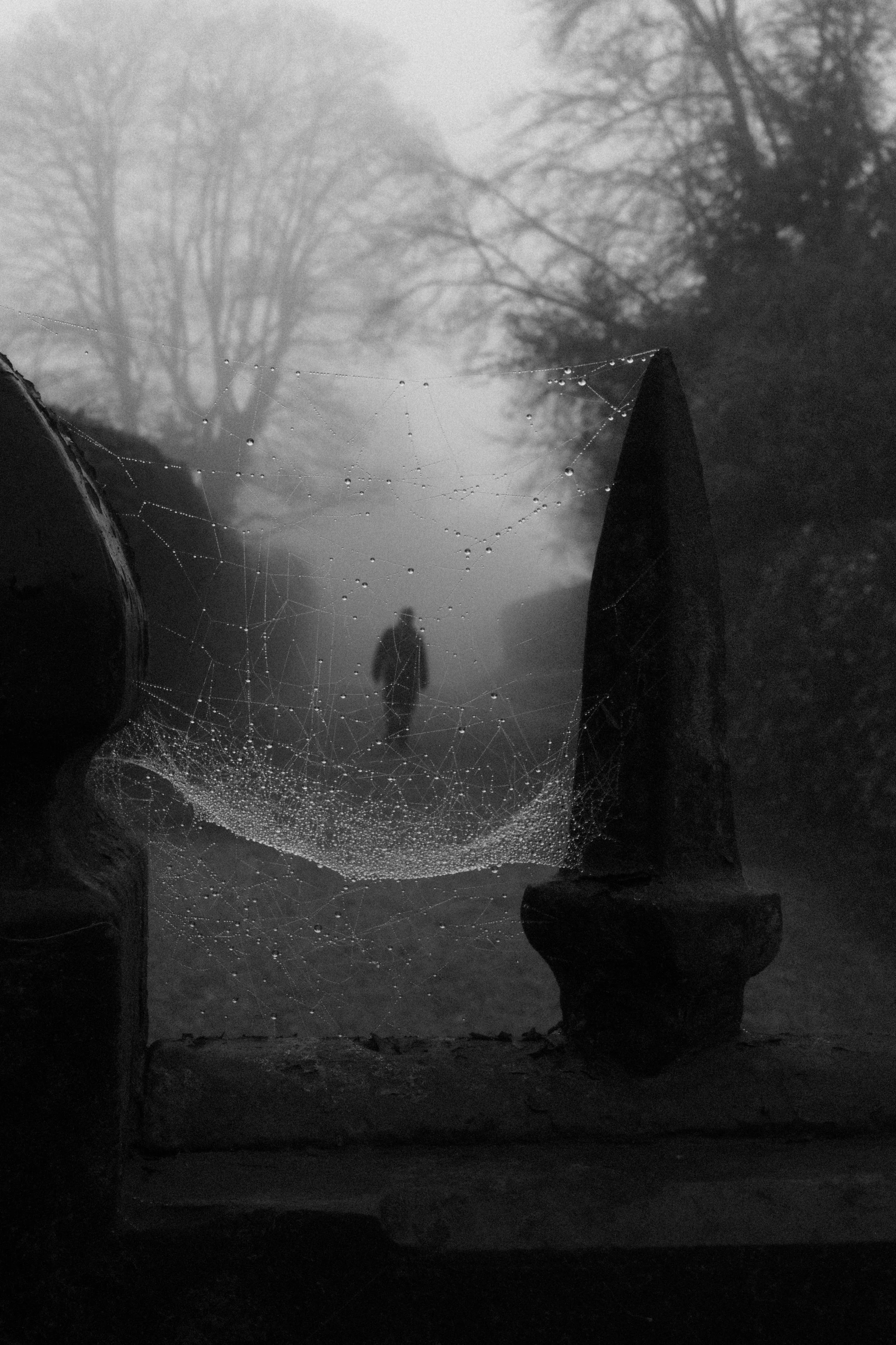
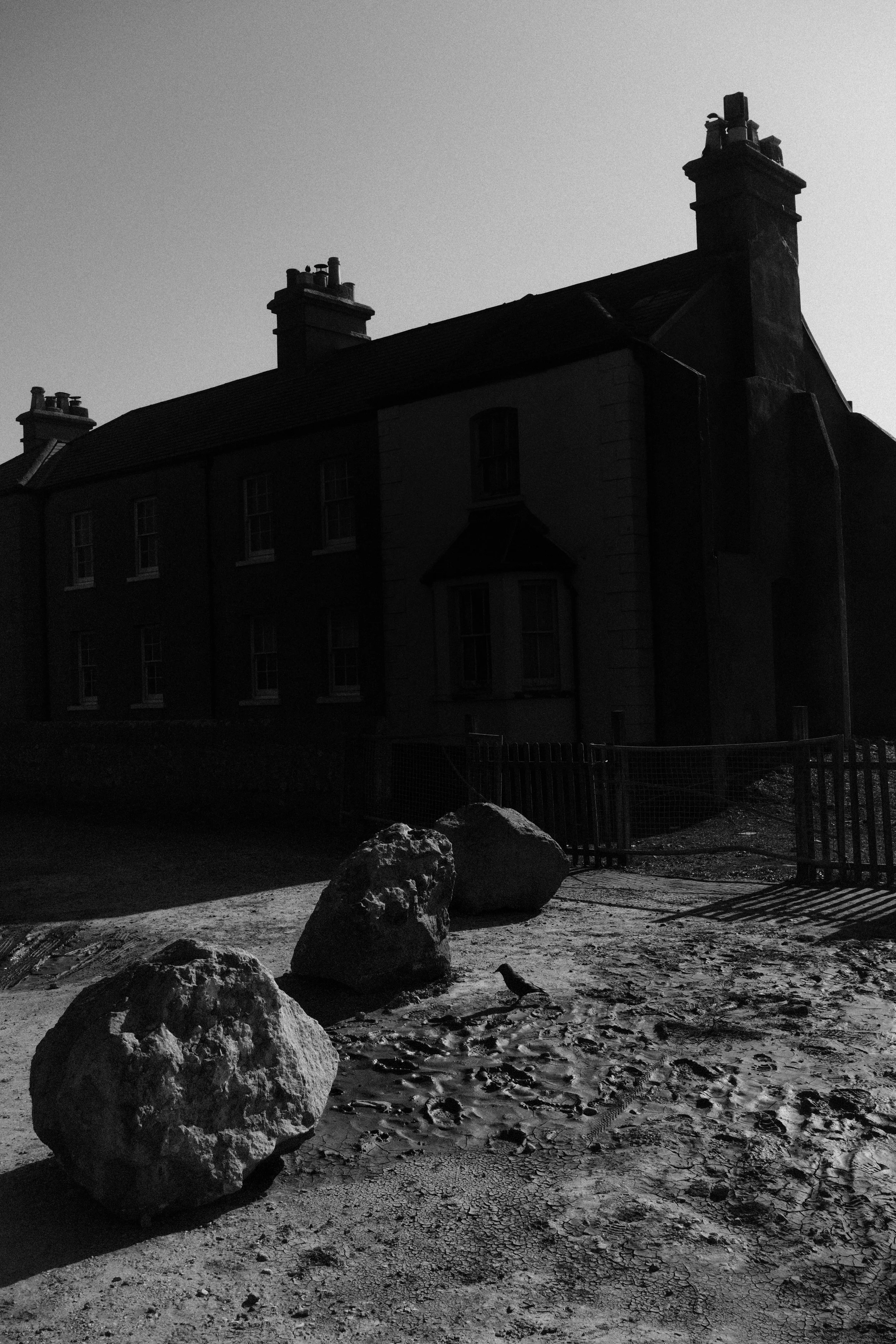
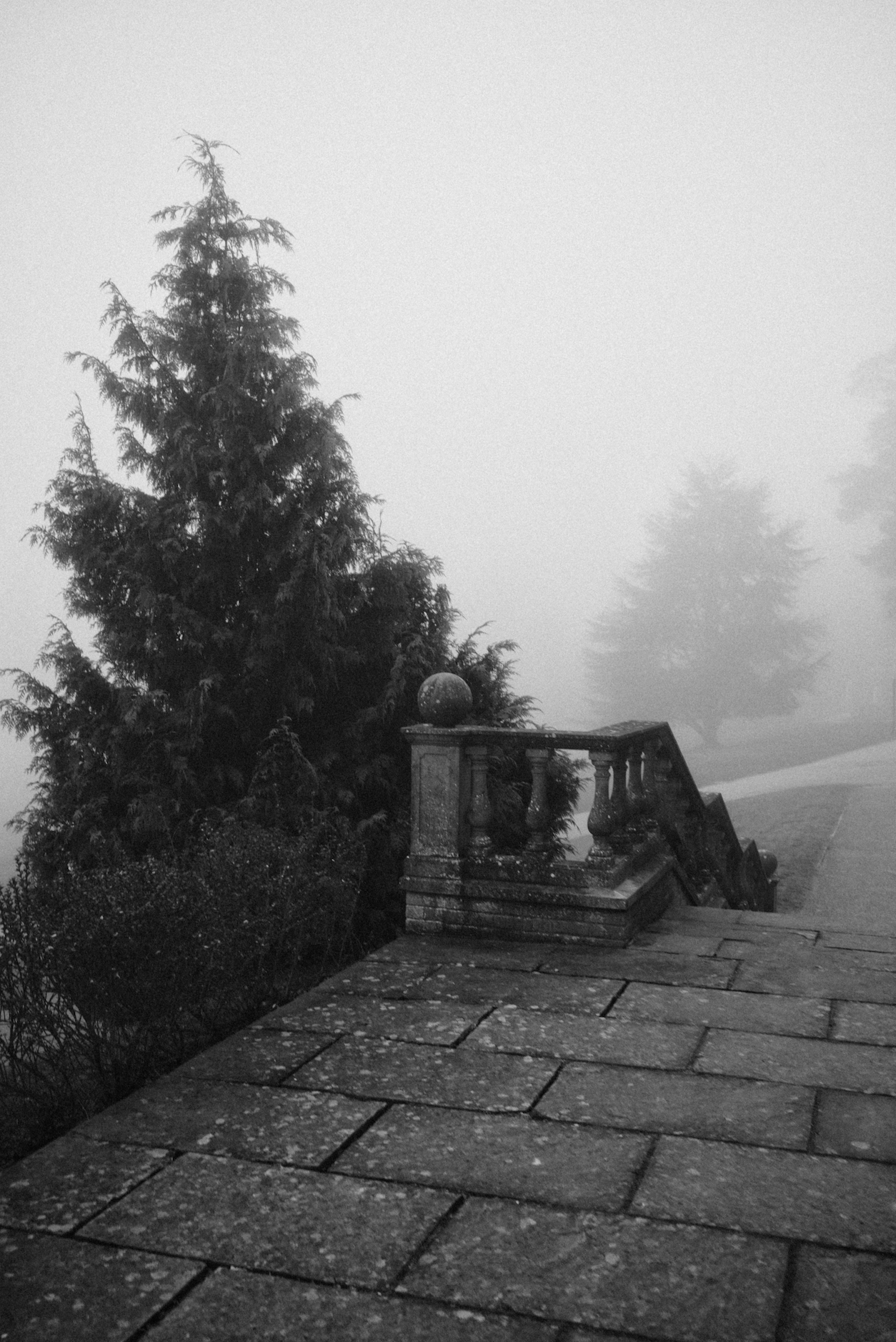
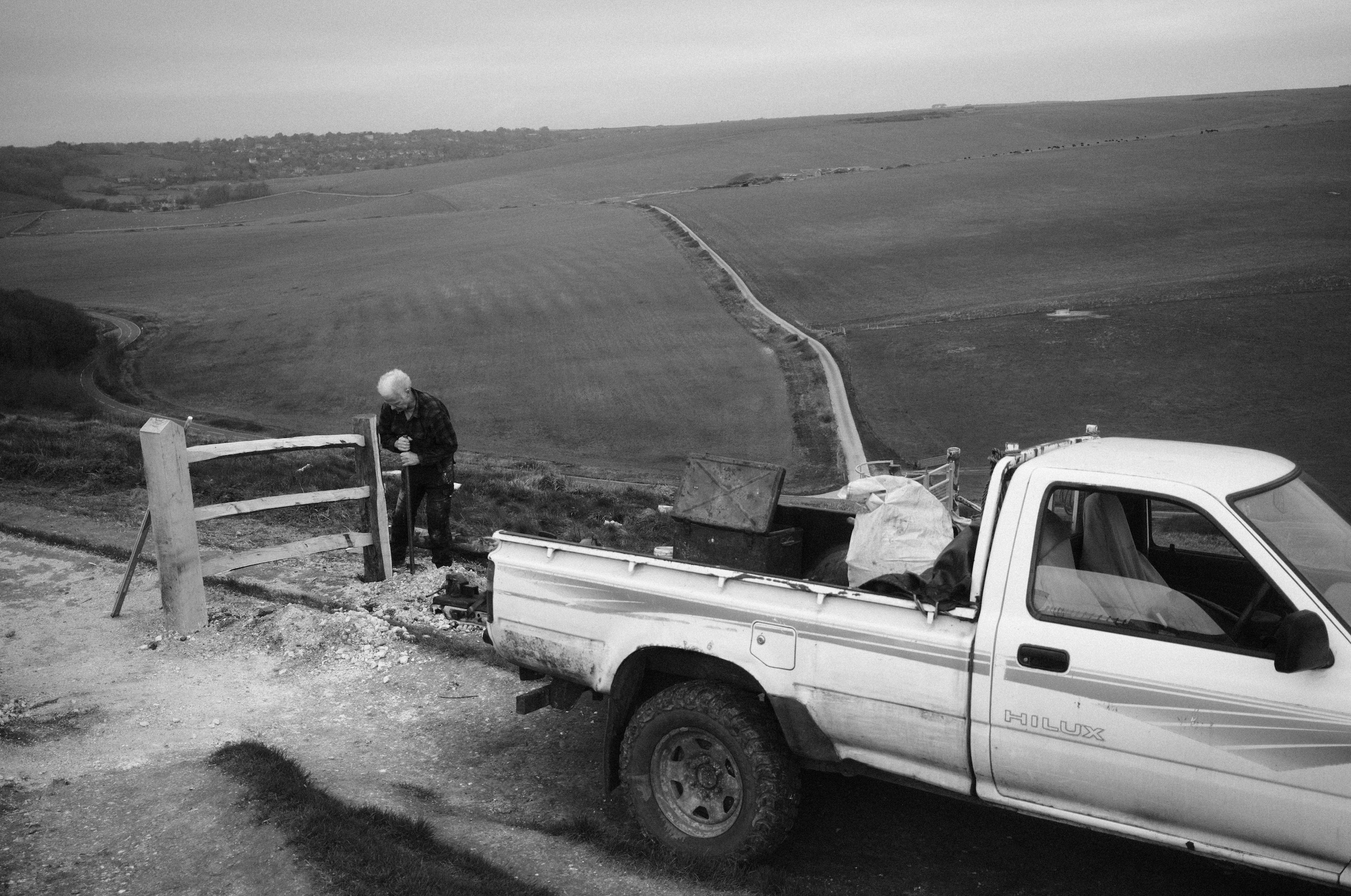
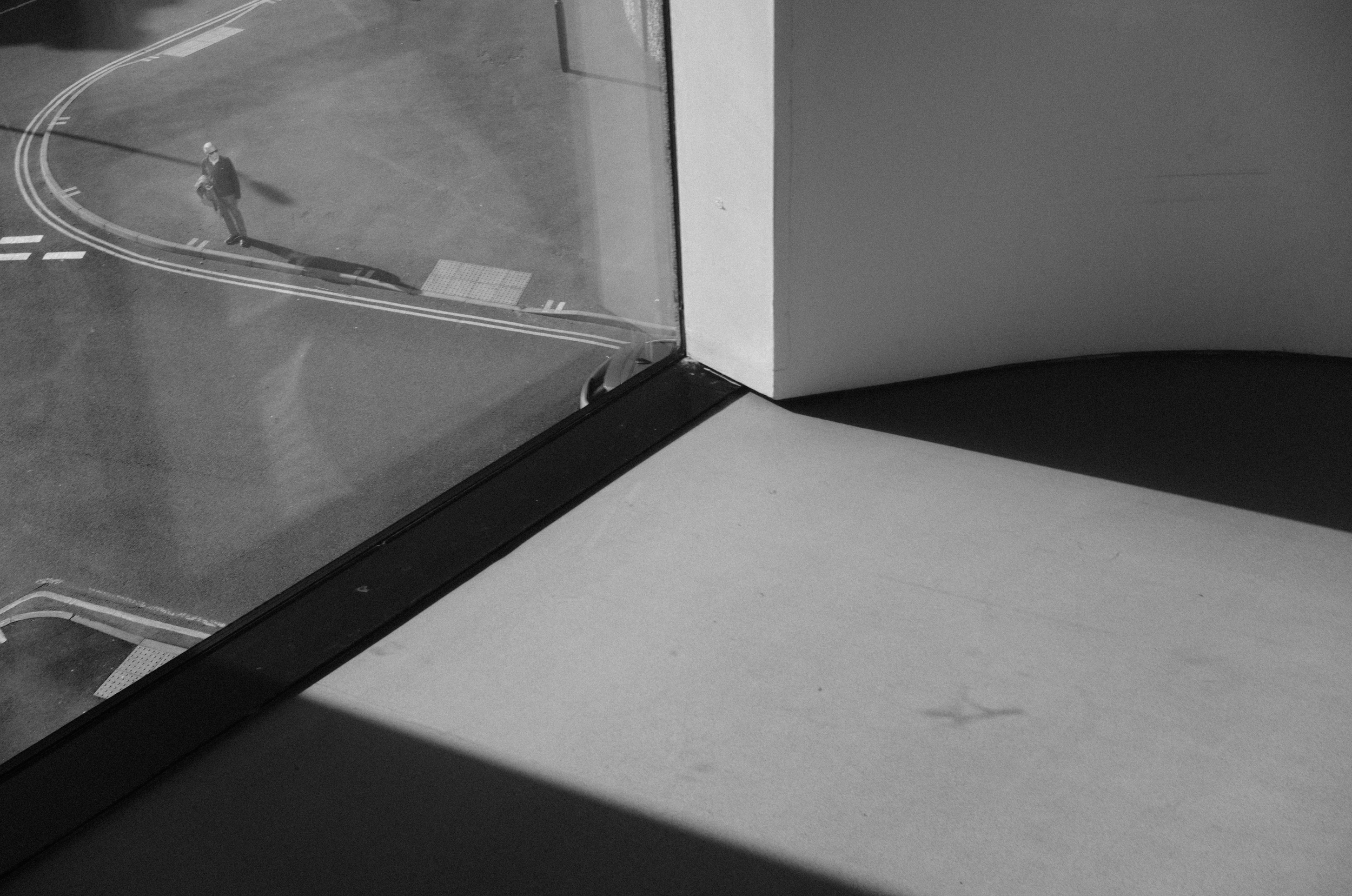
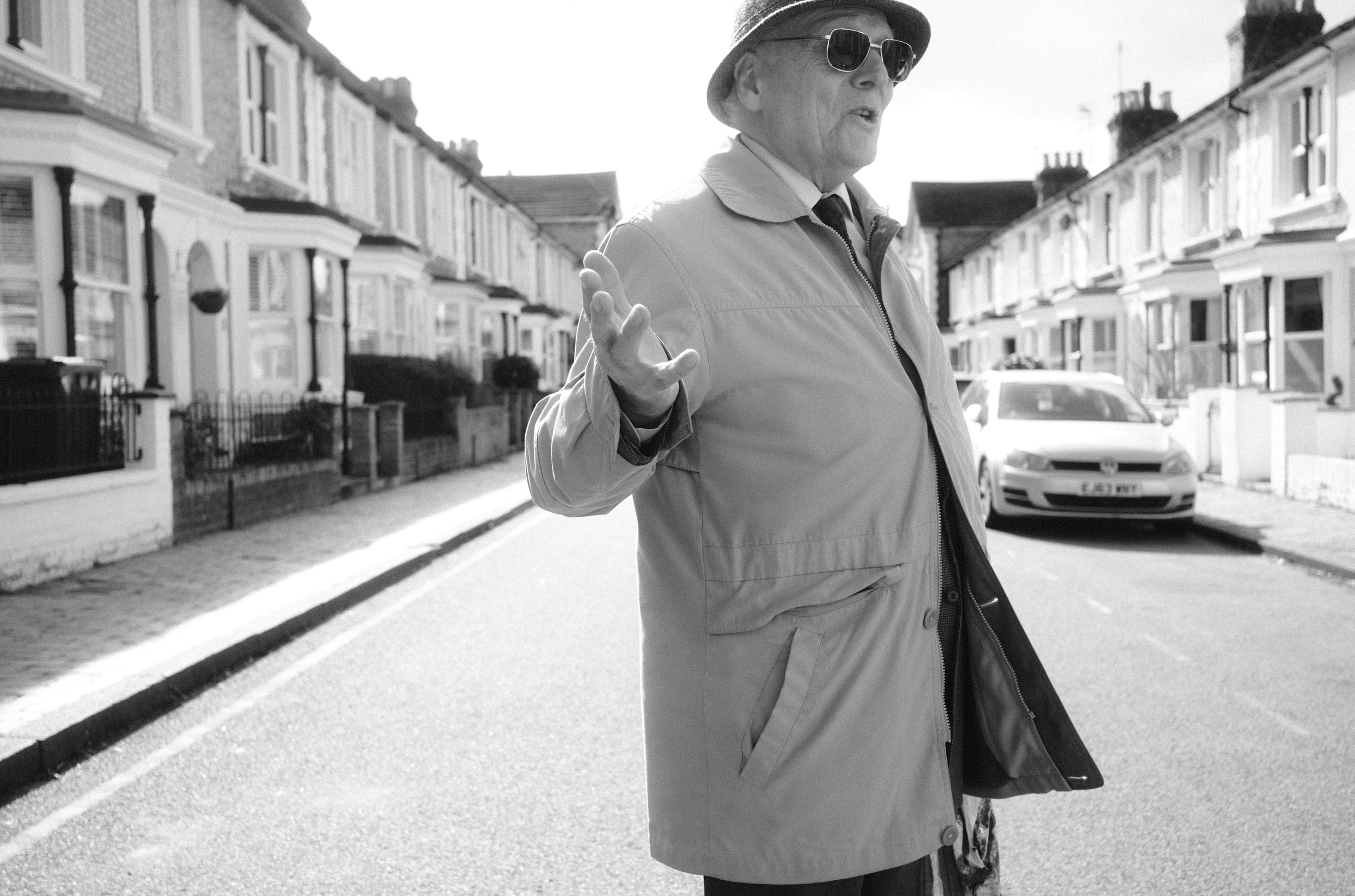
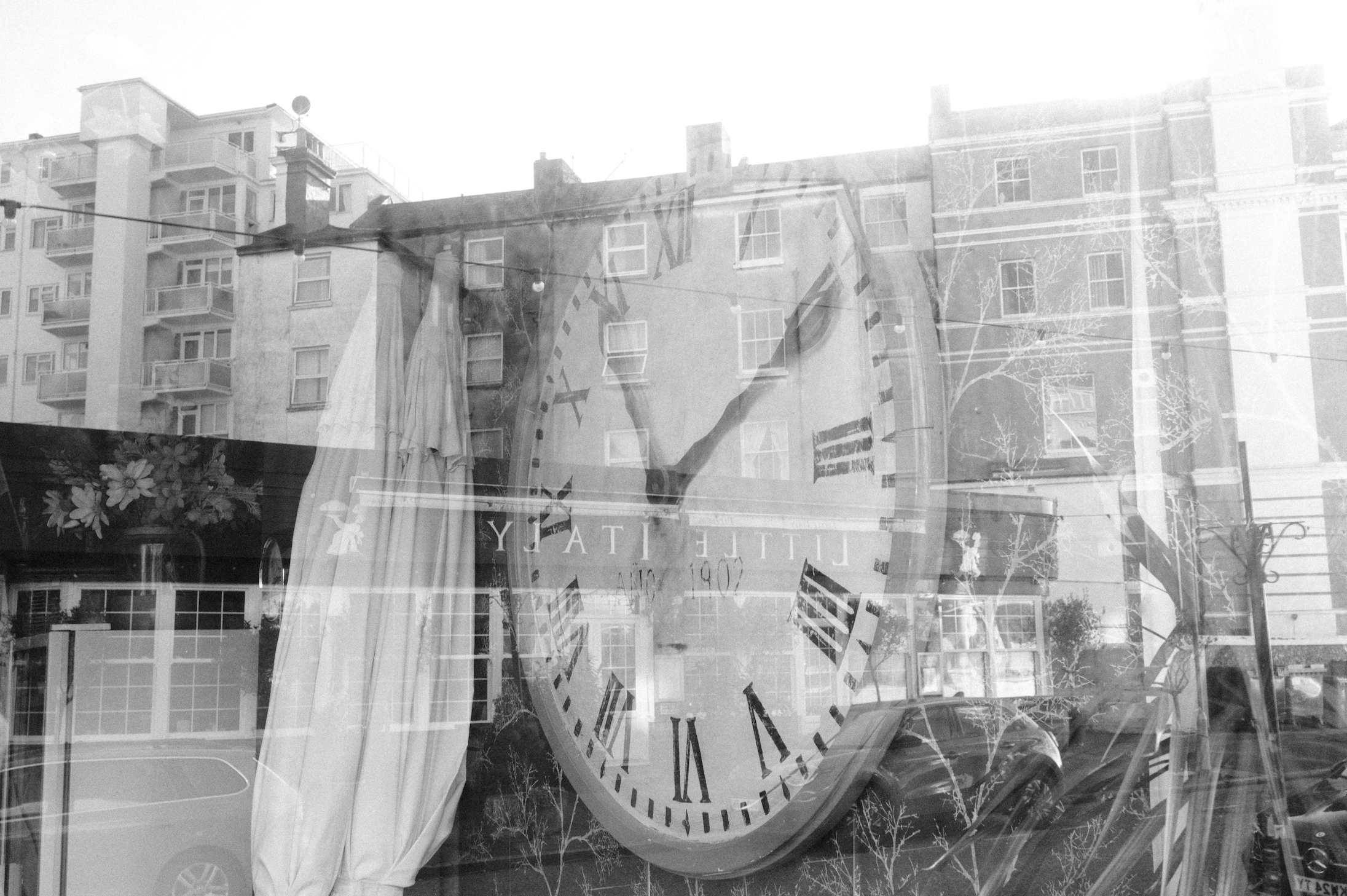
All the photographs in this selection were taken using the Fujifilm 23mm f/2.8 lens.
On focusing
In my experience, the fastest form of focusing is still manual focus. Of course, this requires working with manual lenses.
I should also admit that I do not have much experience using manual lenses with the Fujifilm system. Most of my background comes from film photography, where I worked extensively with rangefinder cameras. Cameras such as the Leica M6, MP240 and M11D shaped much of my approach.
With those cameras I typically used the same lens for years. It became almost an extension of my way of seeing. Because of that, returning to autofocus lenses always felt slightly uncertain to me.
Naturally, autofocus is still not as intuitive for me as manual focusing. However, over time I have become accustomed to working with it again. My method remains very simple: I use the central focus point, lock focus and then recompose the frame.
To be honest, I expected the experience to be more difficult than it turned out to be.
Accidental controls
One aspect that I would consider a weak point concerns the camera’s buttons and controls. While holding the camera, it is sometimes possible to press a button unintentionally, which suddenly brings up various settings on the screen.
I never fully understood exactly which control was responsible. From time to time the camera would switch to a cropped image mode on its own, and during shooting I had to quickly search through the menu to turn it off again.
Something similar would occasionally happen with other buttons as well. While holding the camera, a button could be pressed accidentally and another menu would appear, offering different options to adjust.
Most likely all of this can be customised or disabled in the settings if one spends enough time configuring the camera. I suspect that after properly setting up the controls, this would no longer be an issue.
Strengths
Among the camera’s strong points, I would highlight the excellent exposure metering, which works very reliably in a wide range of lighting conditions.
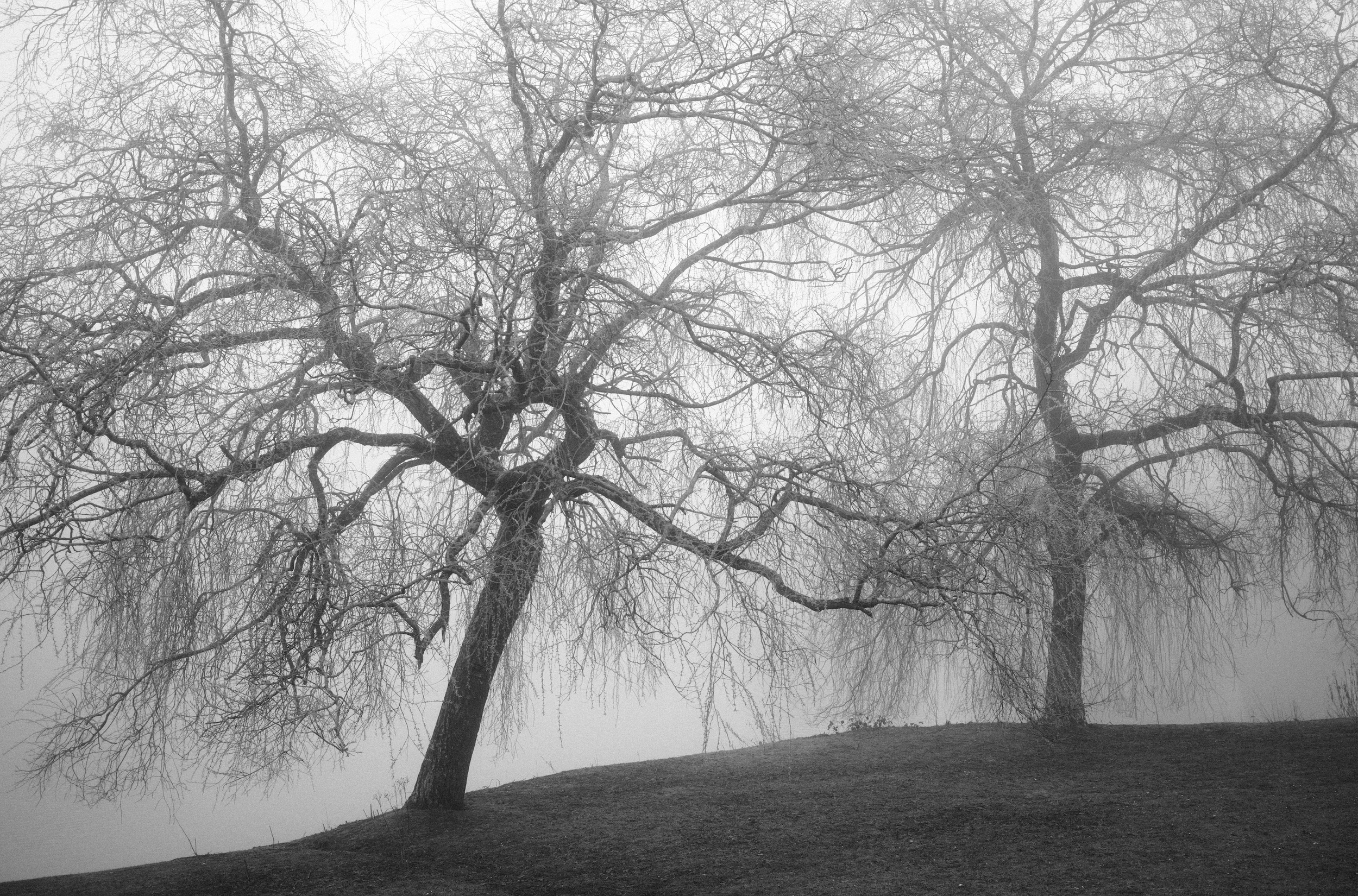
I was also impressed by the way the camera handles tonal perspective and microcontrast. The tonal transitions feel natural and nuanced, which helps preserve depth and atmosphere within the image.
Another notable strength is the wide range of exposure compensation, which allows for very precise control when adjusting the brightness of the image directly during shooting.
About the black and white examples
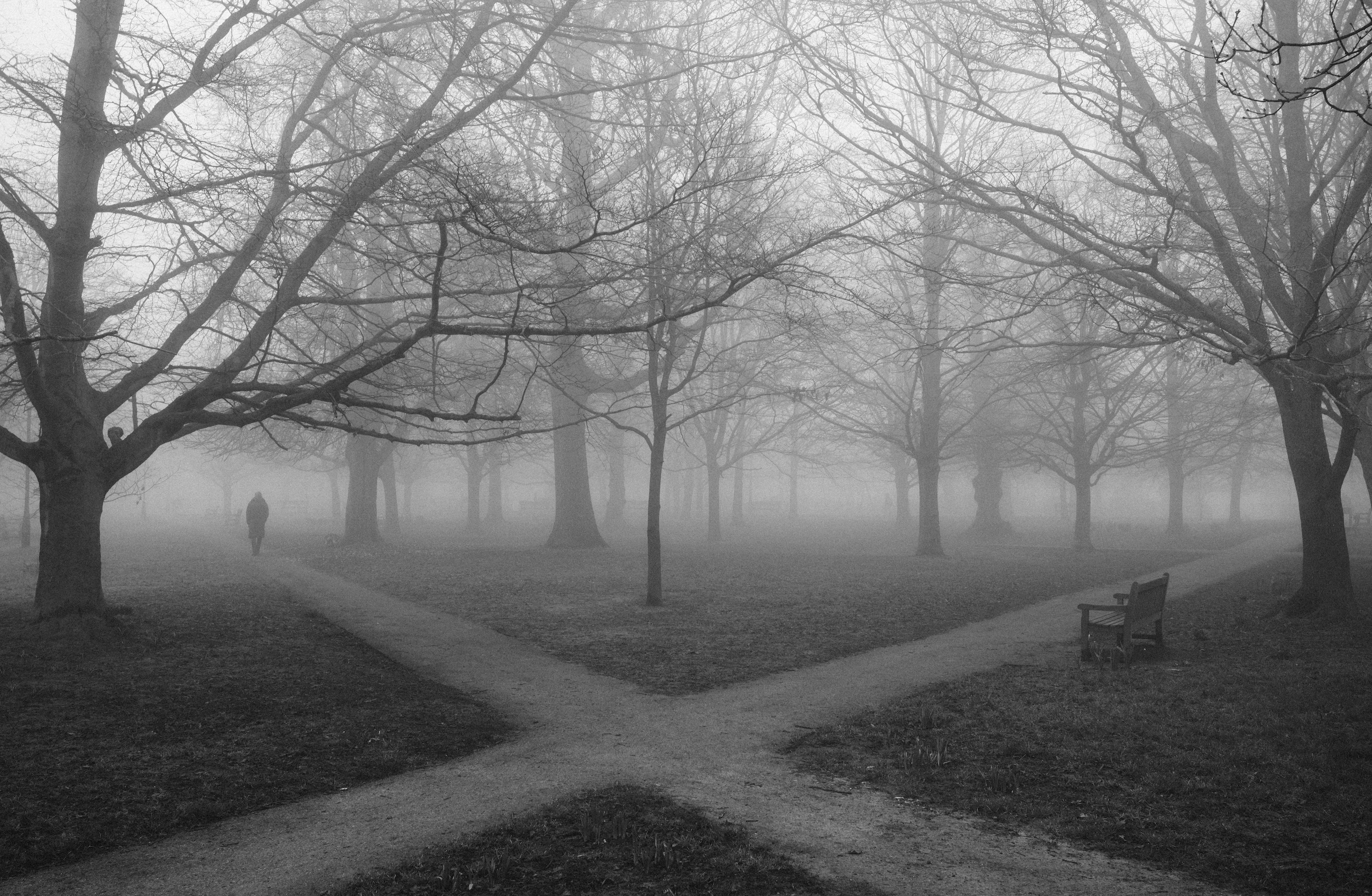
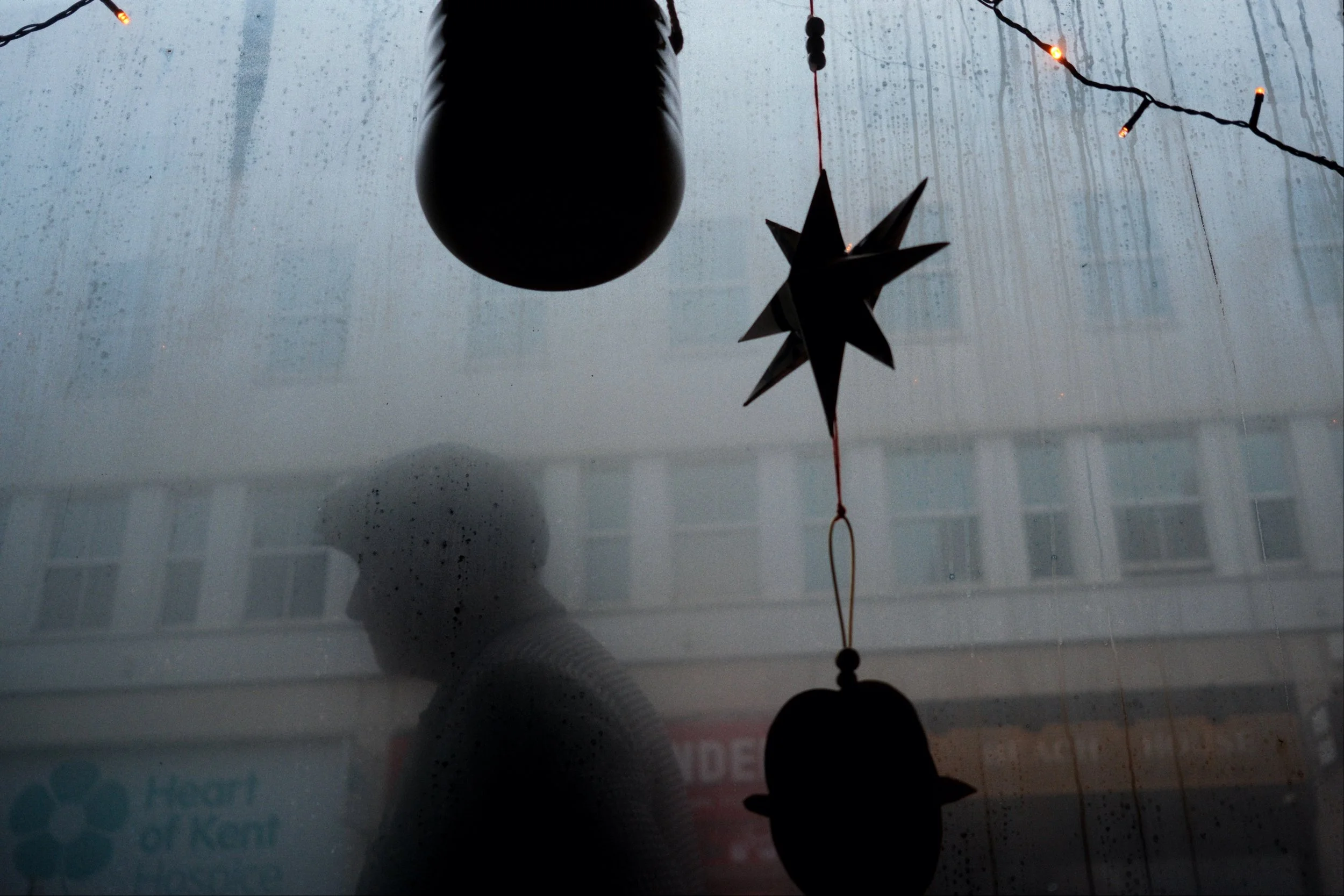
All the black and white photographs shown here are straight out of the camera JPEGs. There has been no post-processing, no cropping and no additional editing.
The images are presented exactly as they were captured by the camera. The only accessory used during shooting was a Black Diffusion 1/4 filter, which was mounted on the lens for all of the photographs.
Shutter sound
Another aspect worth mentioning is the shutter sound, which can be quite important during the act of photographing.
The shutter sound of this camera feels very pleasant. It is moderately audible but not intrusive, and it does not draw unnecessary attention from people around you while shooting.
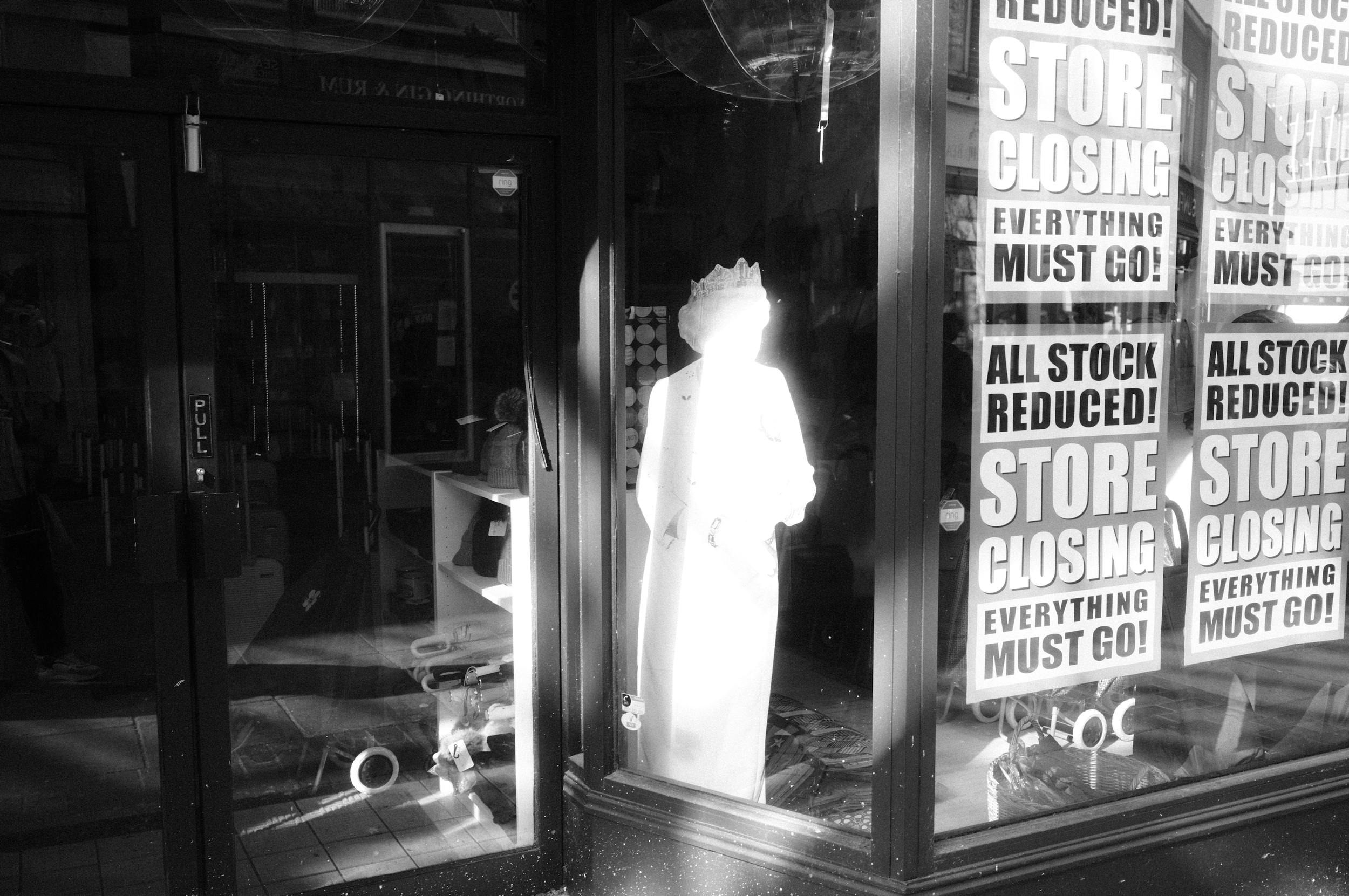
Camera startup and wake from sleep
The camera starts up very quickly and responds promptly when waking from sleep mode.
The only small observation I have relates to the 23mm lens, which was the lens I used throughout this test. The lens design includes moving optical elements, and during startup you can feel a brief mechanical movement as the lens initializes and prepares for focusing.
This behaviour is typical for lenses with internal focusing mechanisms.
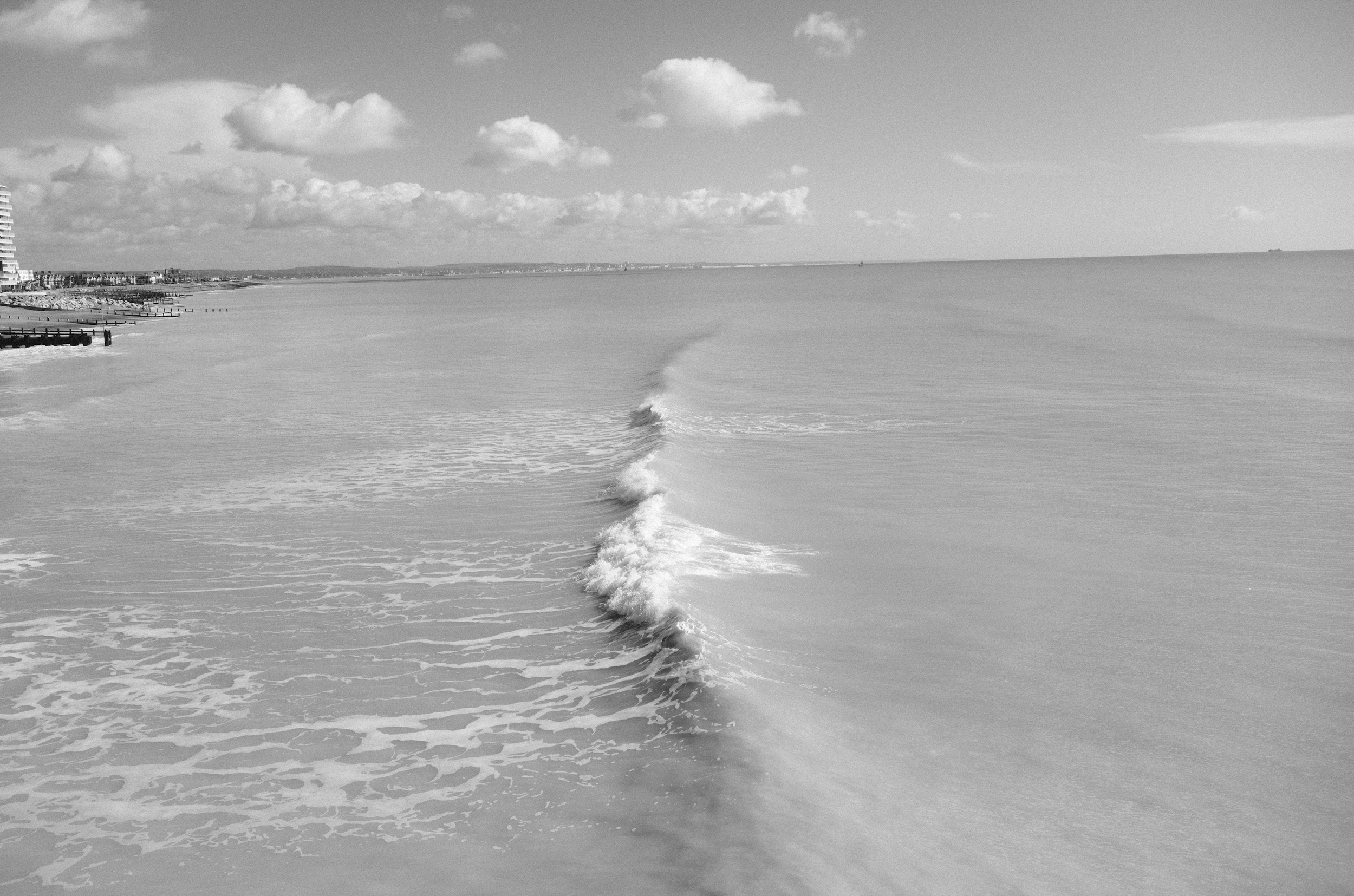
About the lens design
This characteristic of the lens construction is probably its weakest point. I am not referring here to the optical performance, but rather to the mechanical behaviour of the lens.
If I had to describe it briefly, this would likely be the only noticeable drawback. Otherwise, the size of the lens and its visual appearance are very well balanced with the camera body. It looks elegant and compact, which makes the overall combination very pleasant to work with.
COLOUR
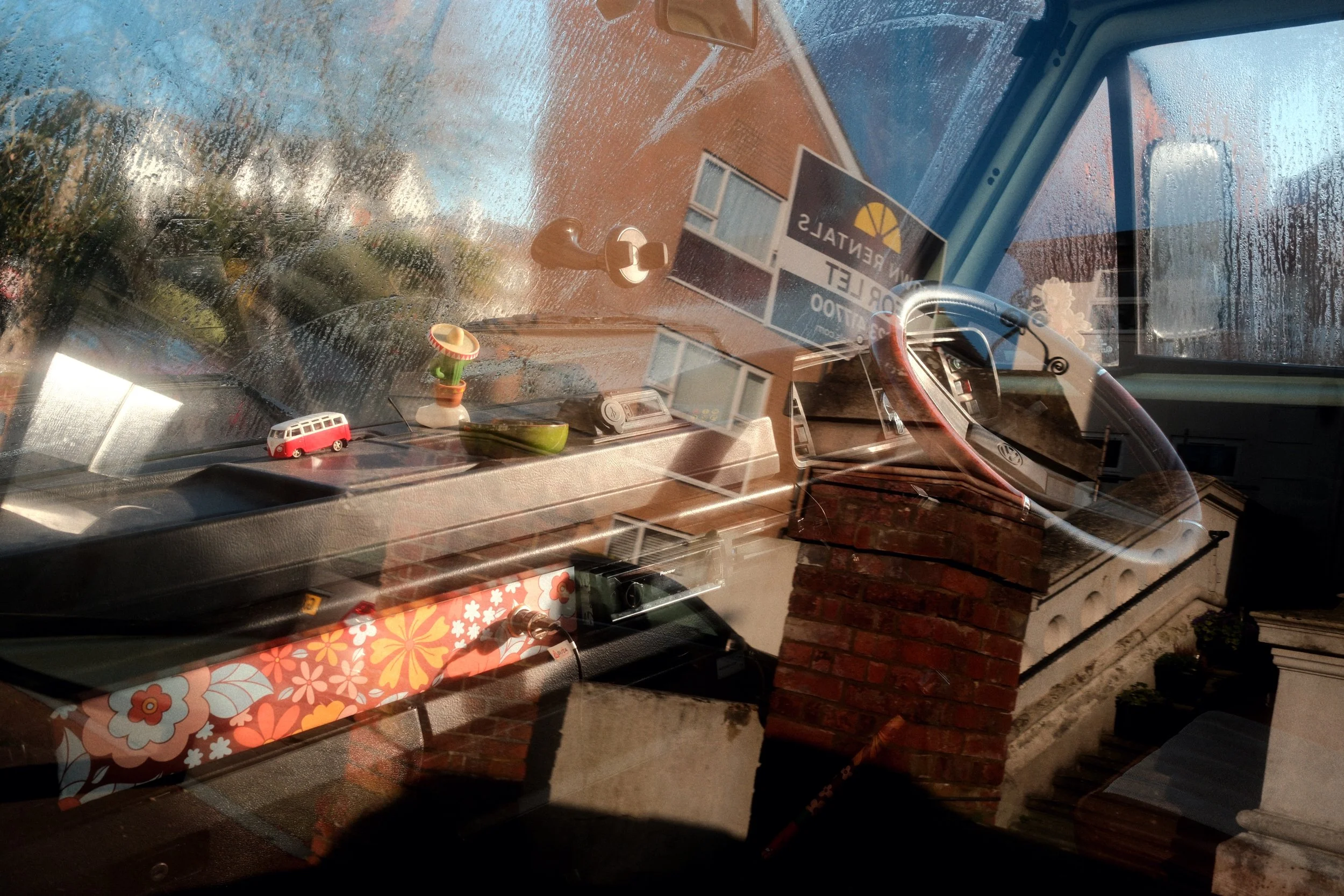
Colour rendering
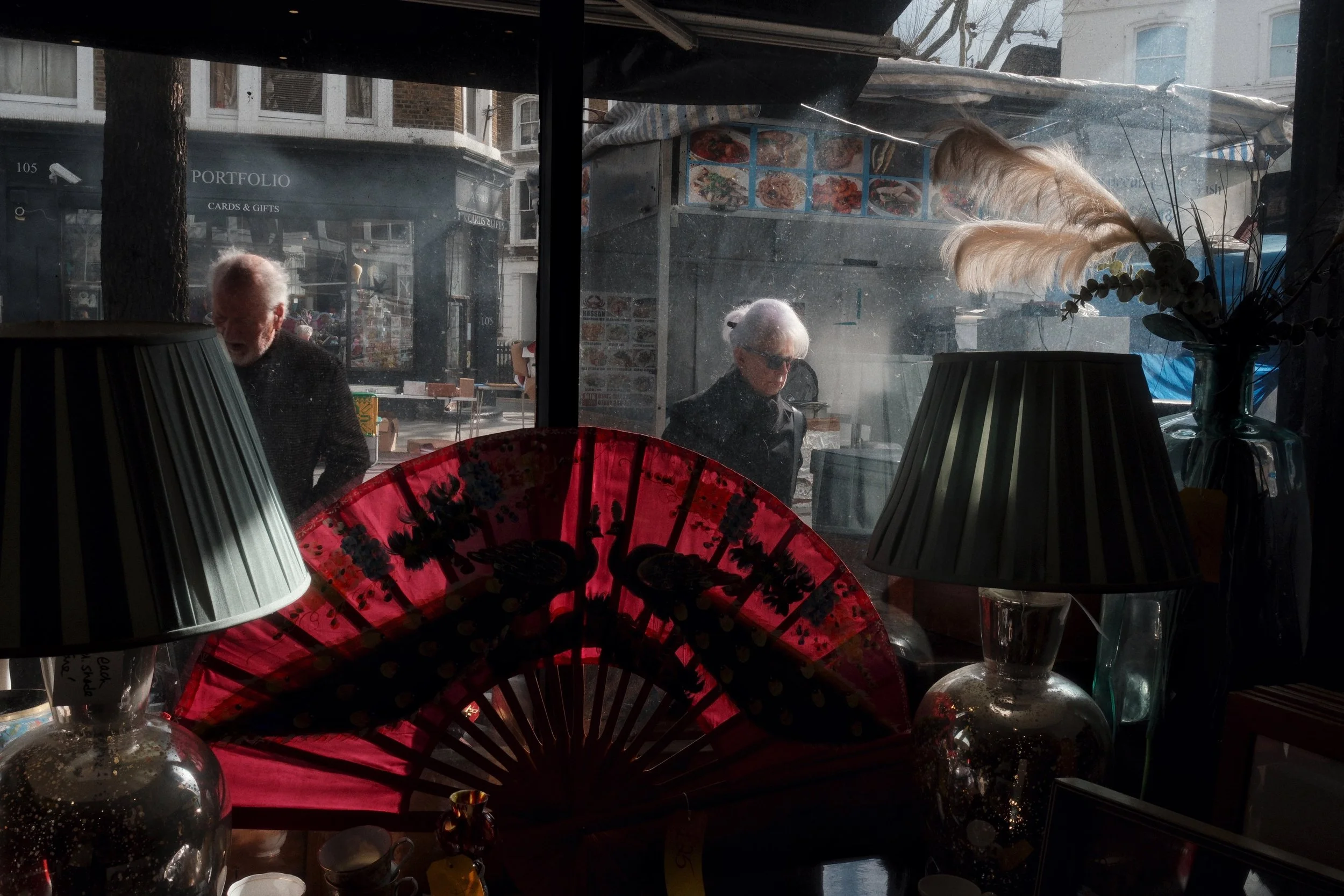
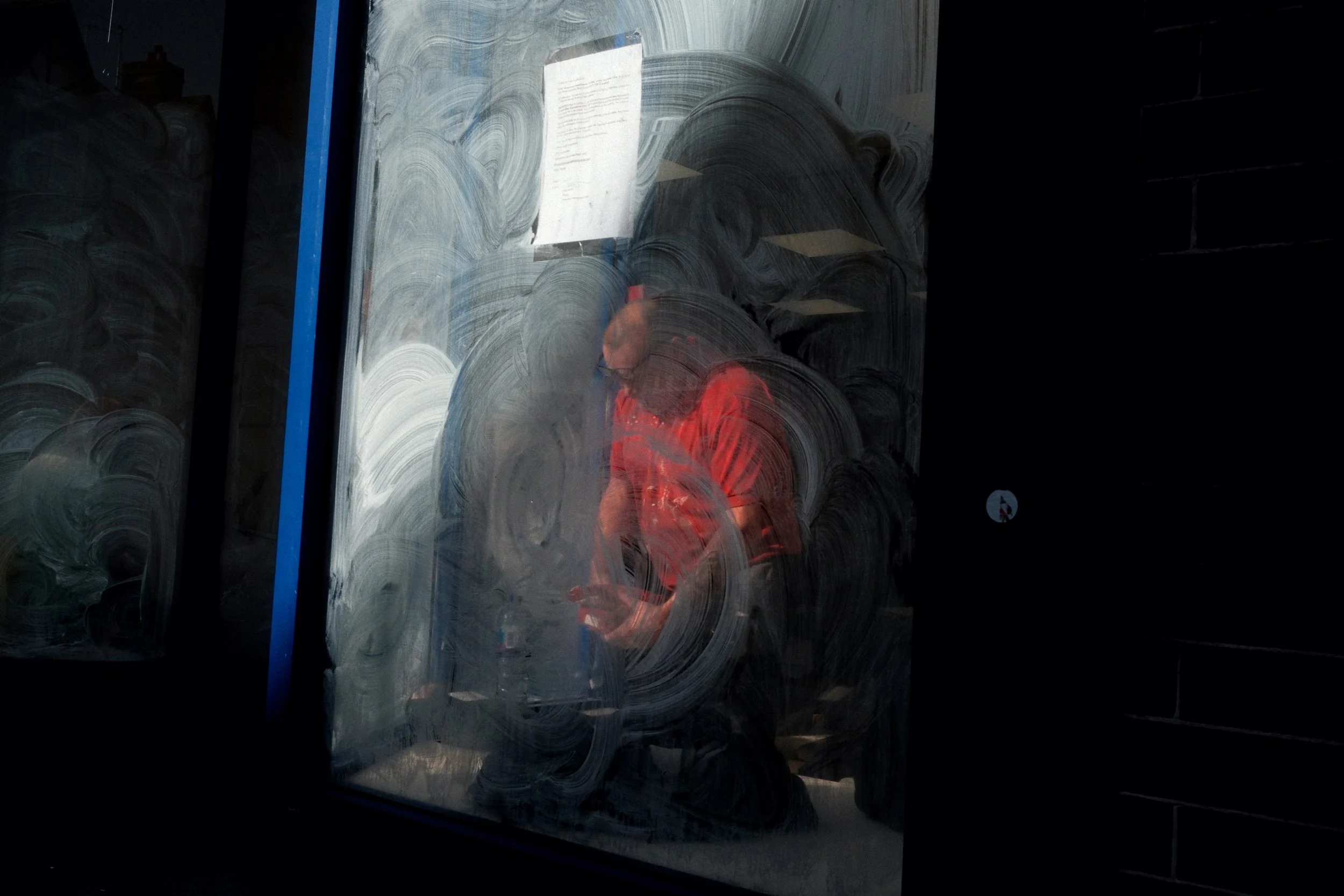
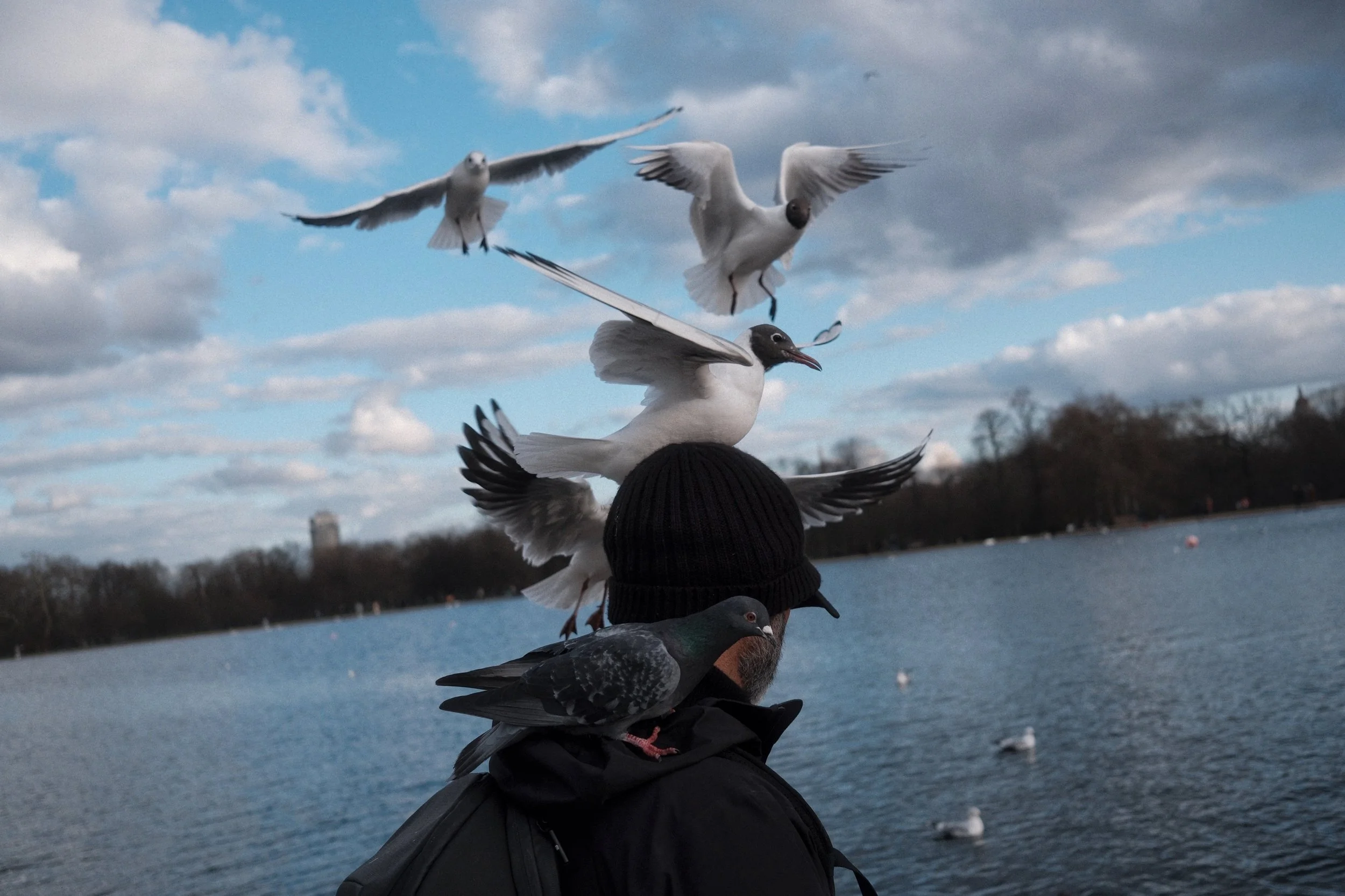
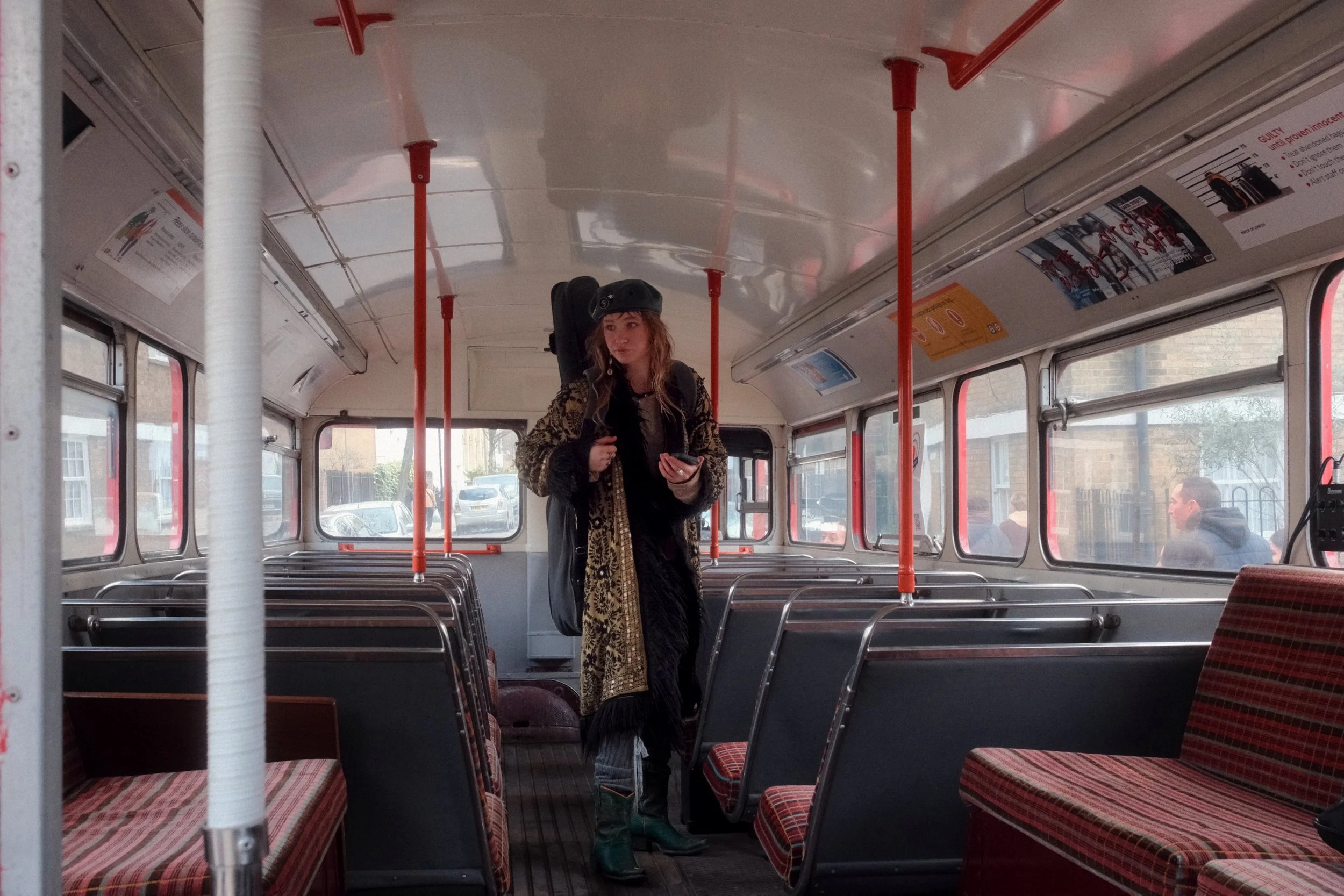
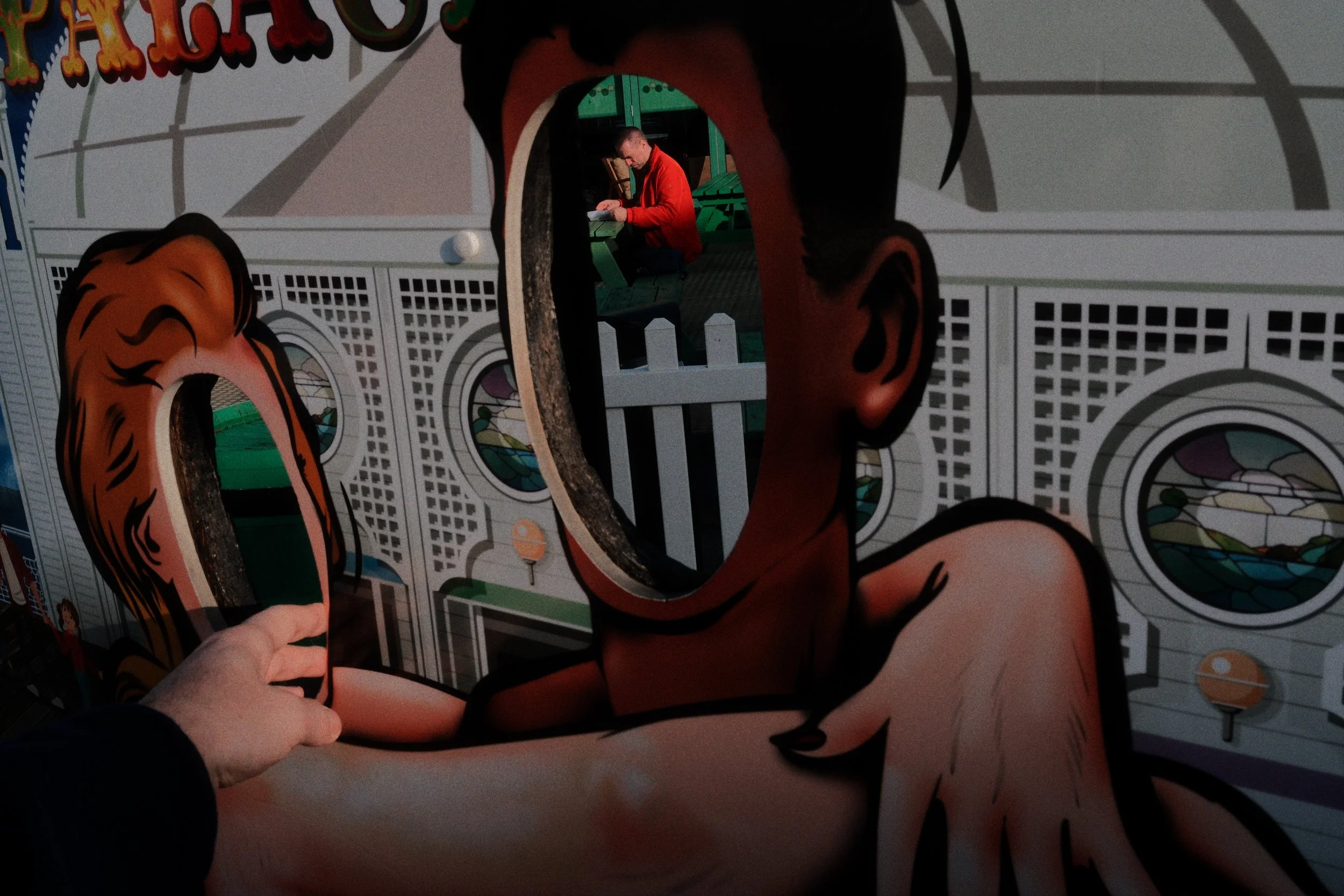
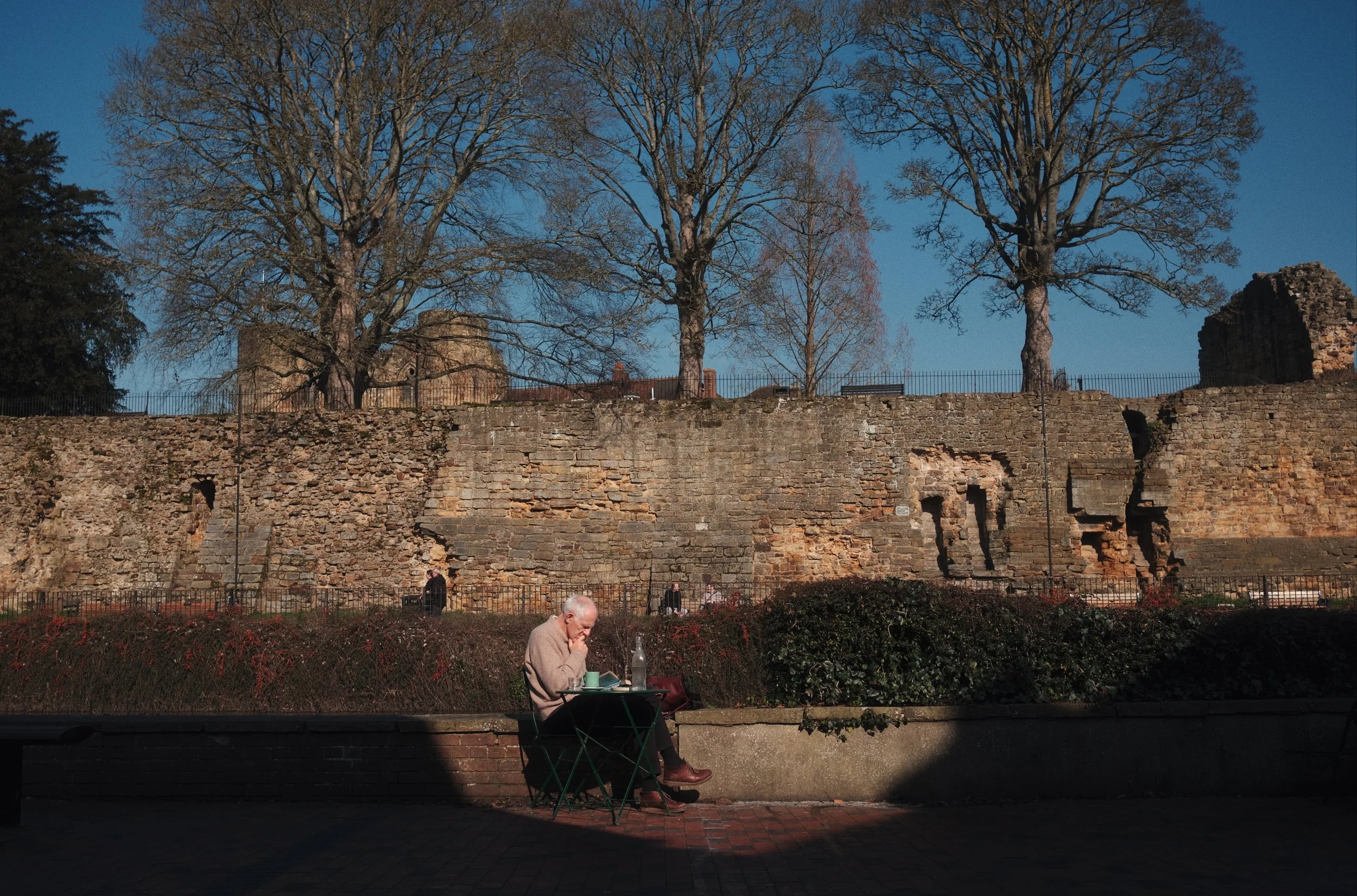
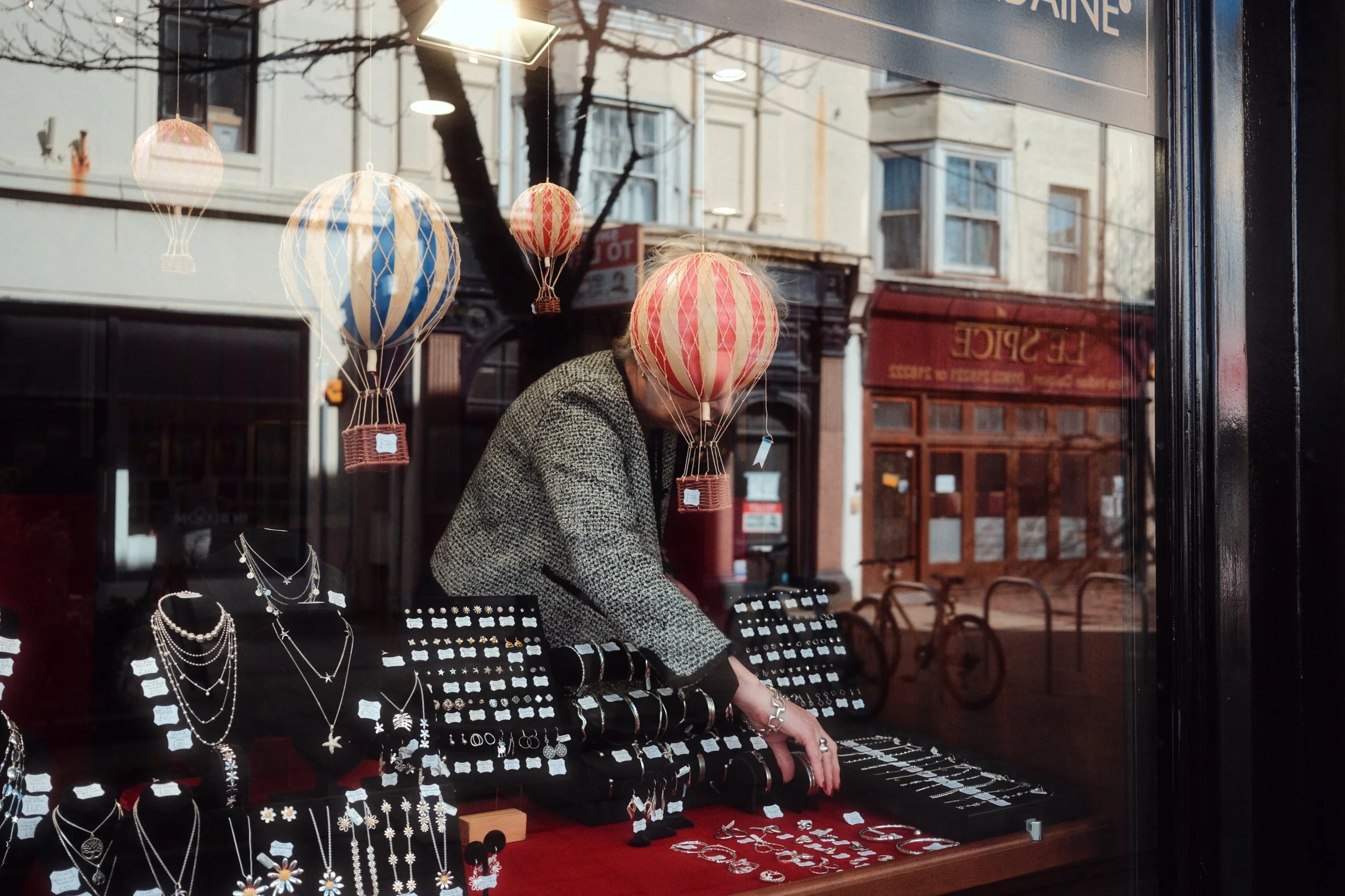
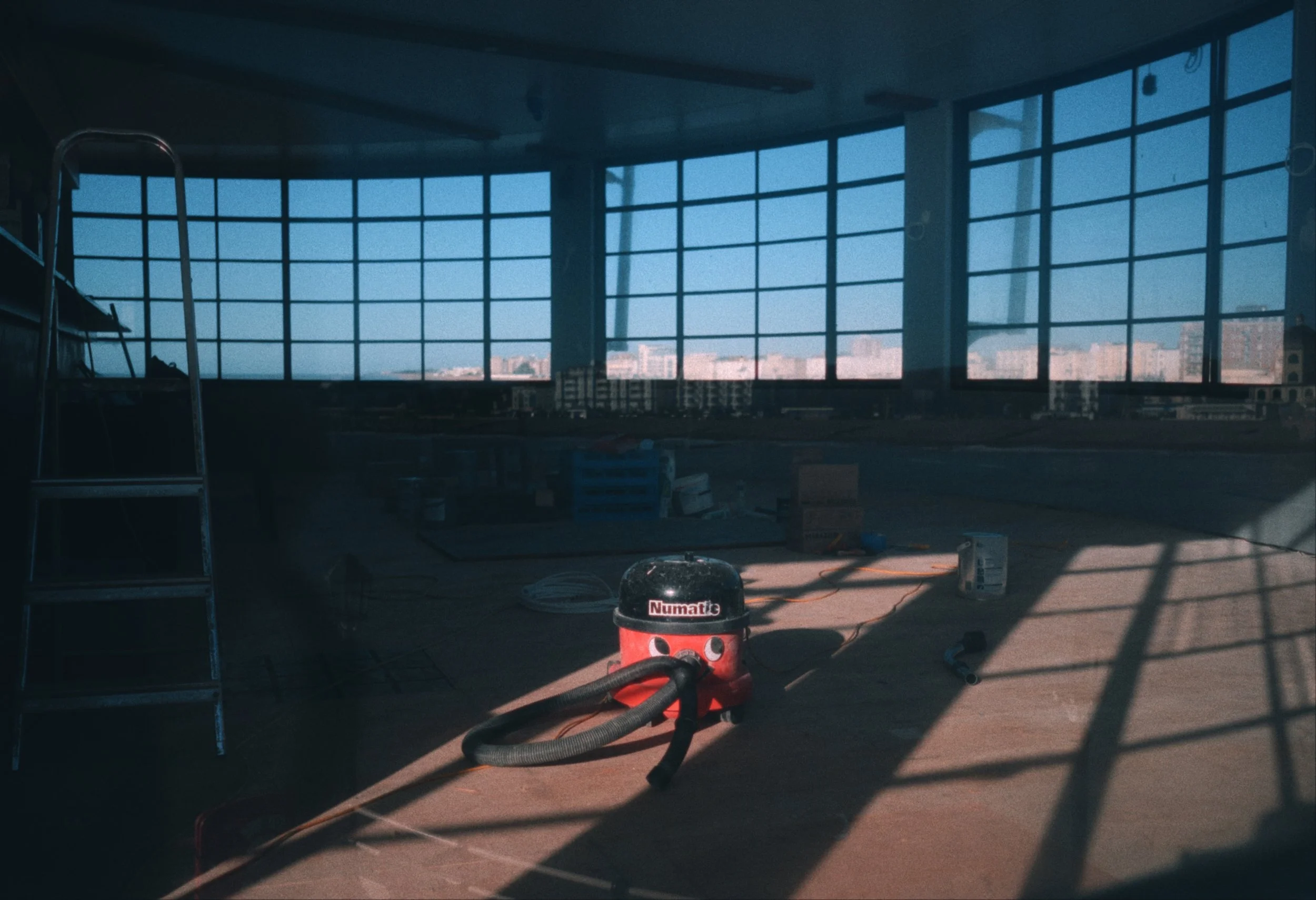
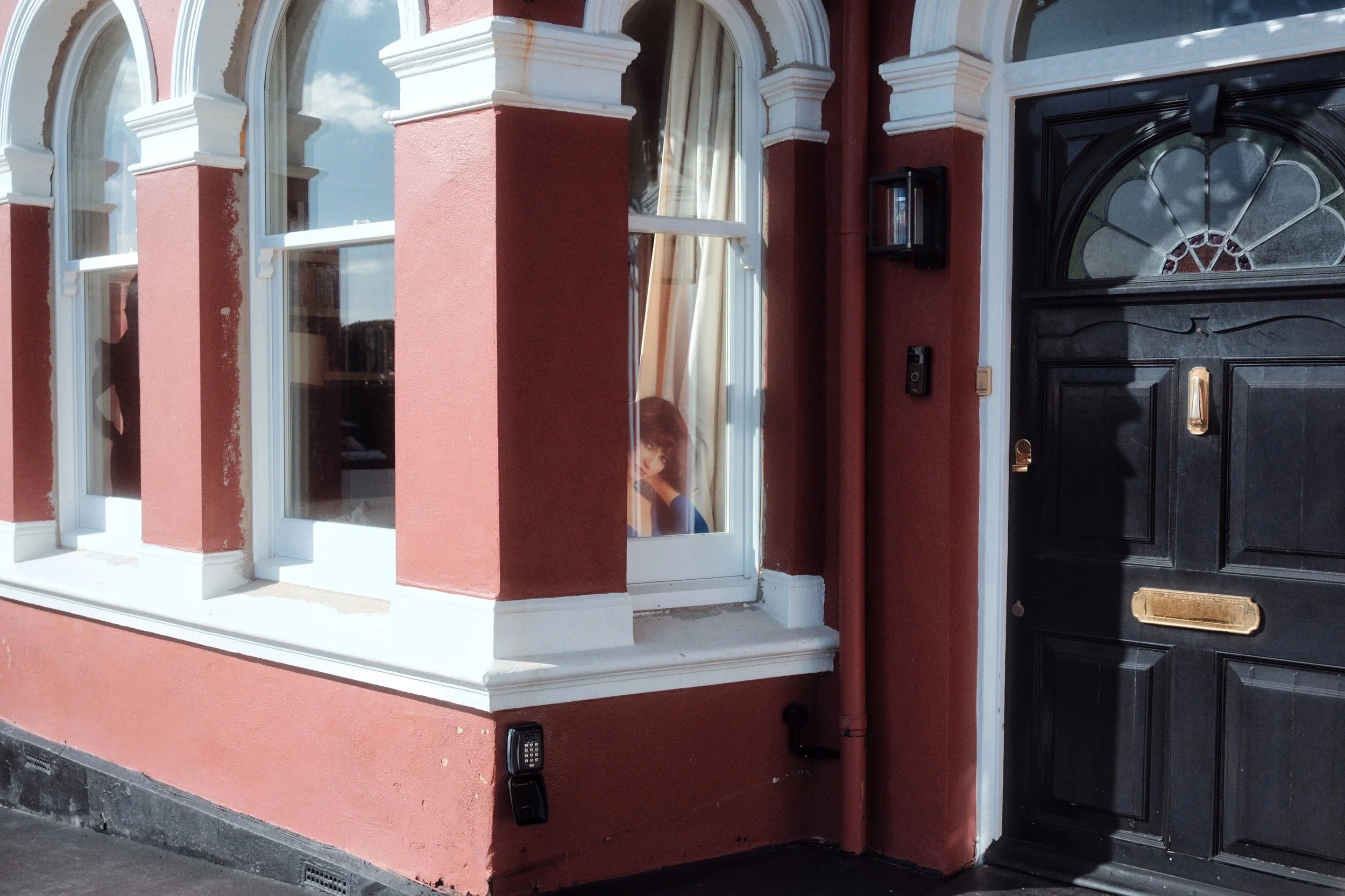
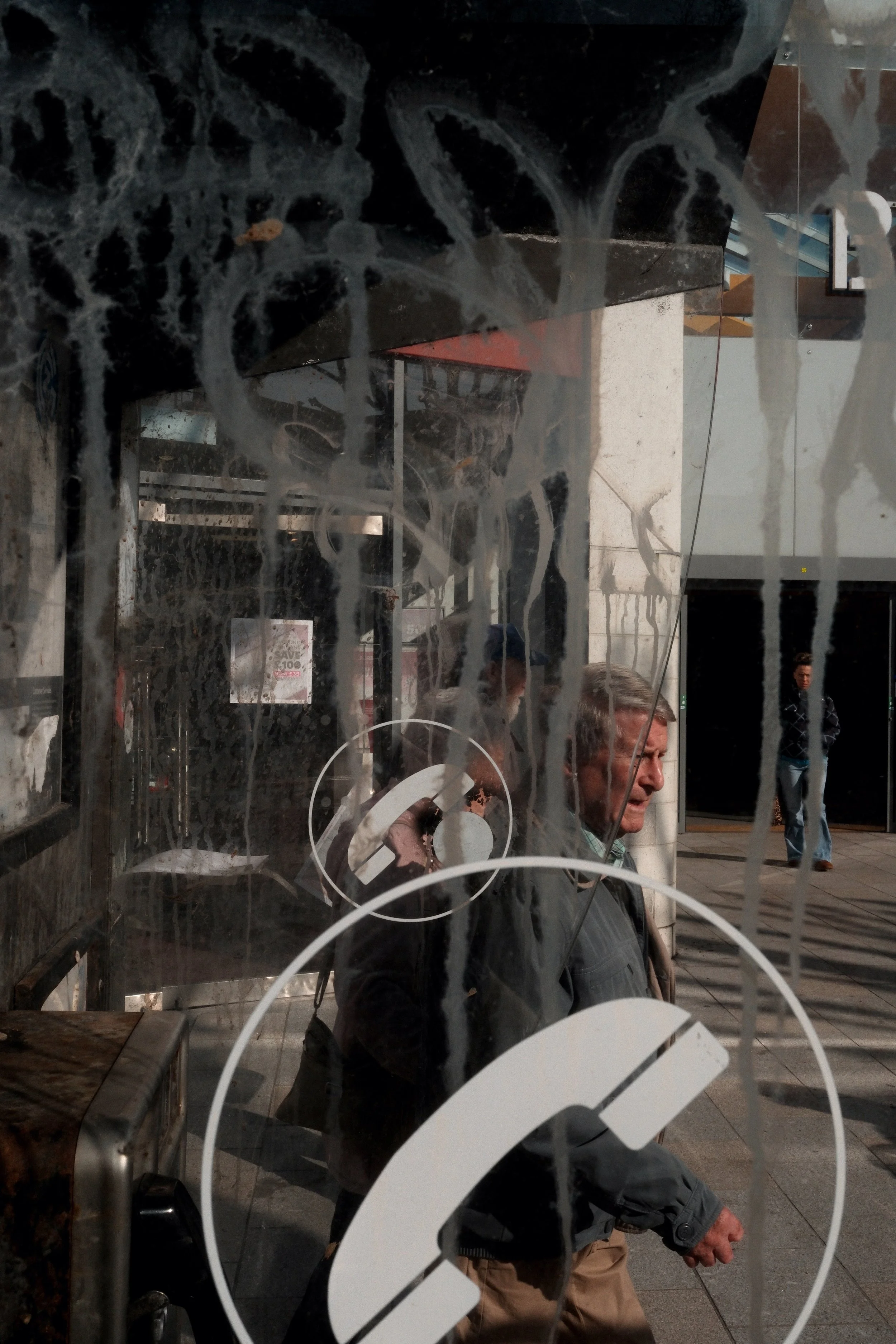
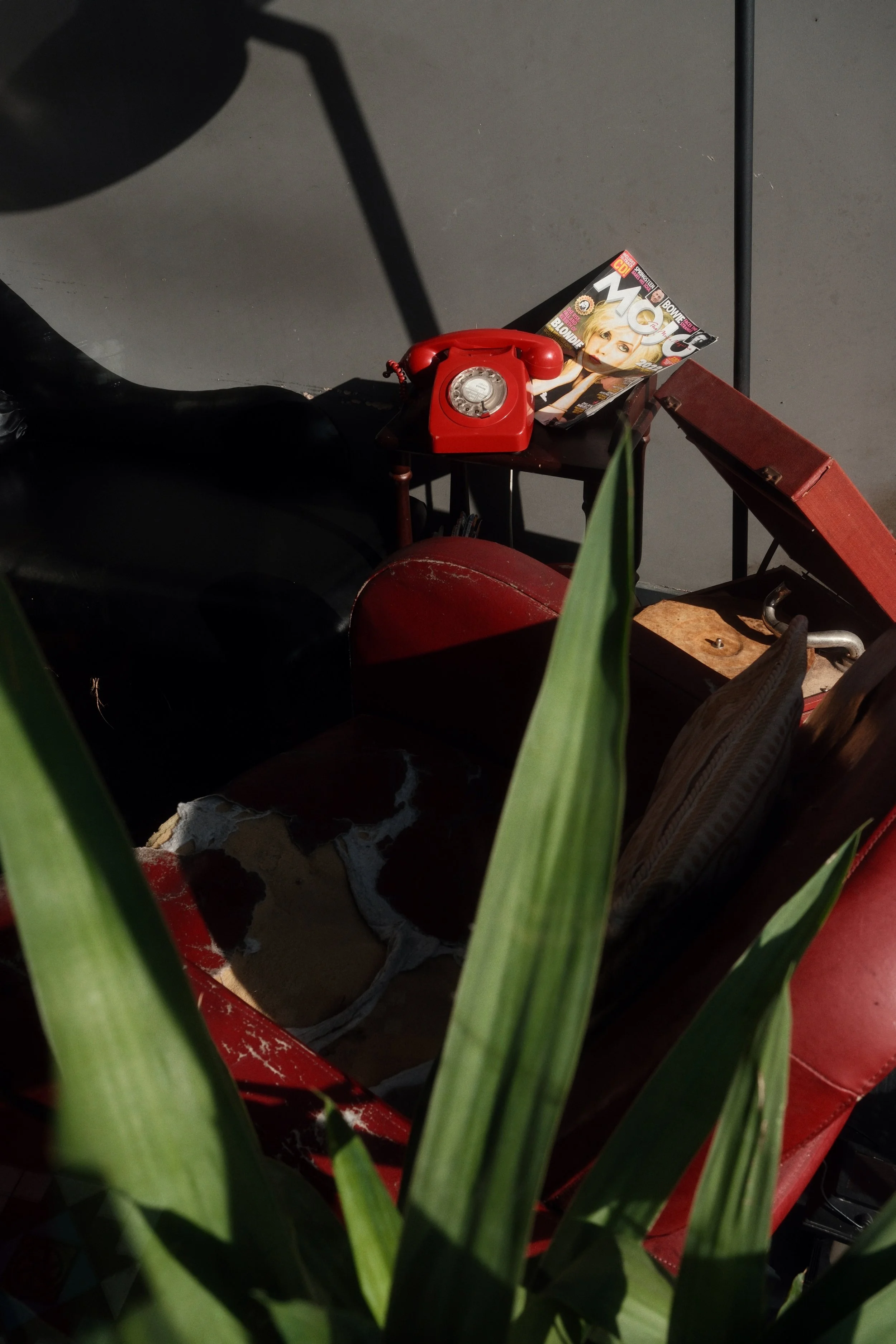
As always with Fujifilm, the colour rendering is excellent. The colour can be adjusted very delicately and with great precision, which allows you to shape the image in a subtle way.
In practice, this is exactly what I did. At the same time, I should mention that for my colour photography I also use some additional technical tools, so the final colour is not entirely straight out of the camera.
Nevertheless, the plasticity and overall quality of the image produced by the camera provide a wonderful foundation. The files feel rich, flexible and visually very pleasing.
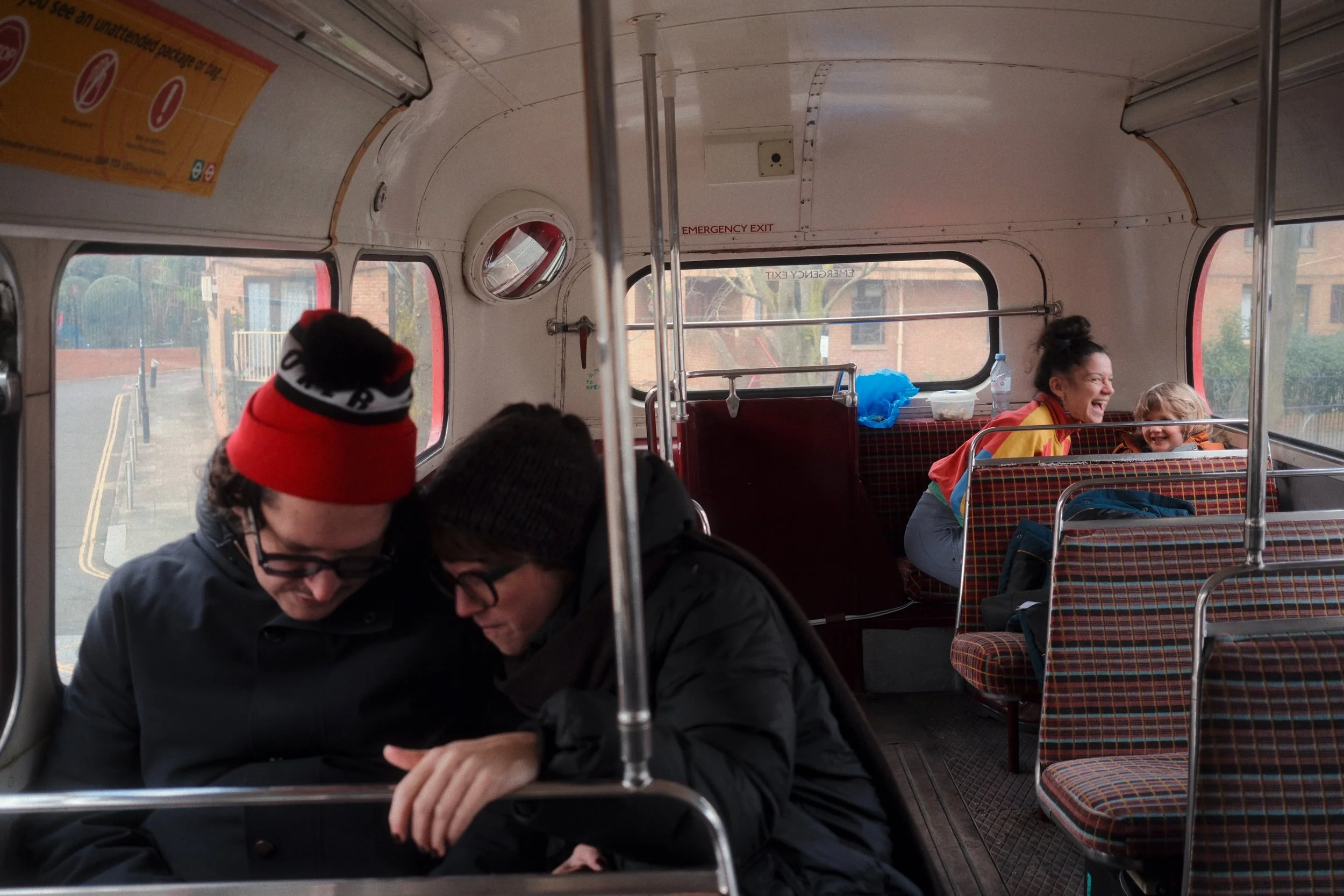


Battery life
The most noticeable drawback, in my view, is the small battery. Unfortunately, relying on a single battery during a day of shooting is not very realistic.
You will almost certainly need to carry a few spare batteries with you. Not necessarily because you are shooting constantly, but simply because the battery tends to drain relatively quickly.
So if you plan to photograph actively throughout the day, it is wise to have at least two additional batteries with you.
Conclusion
Of course, any camera is ultimately just a tool. But if this tool feels pleasant to hold and to work with, that in itself is already a significant achievement.
Perhaps this is the most important quality a camera can have: that it inspires rather than discourages the person using it.
For me, this camera has exactly that quality. It creates a sense of ease and curiosity while photographing.
In fact, I am now seriously considering keeping it as a camera for my workshops and masterclasses.
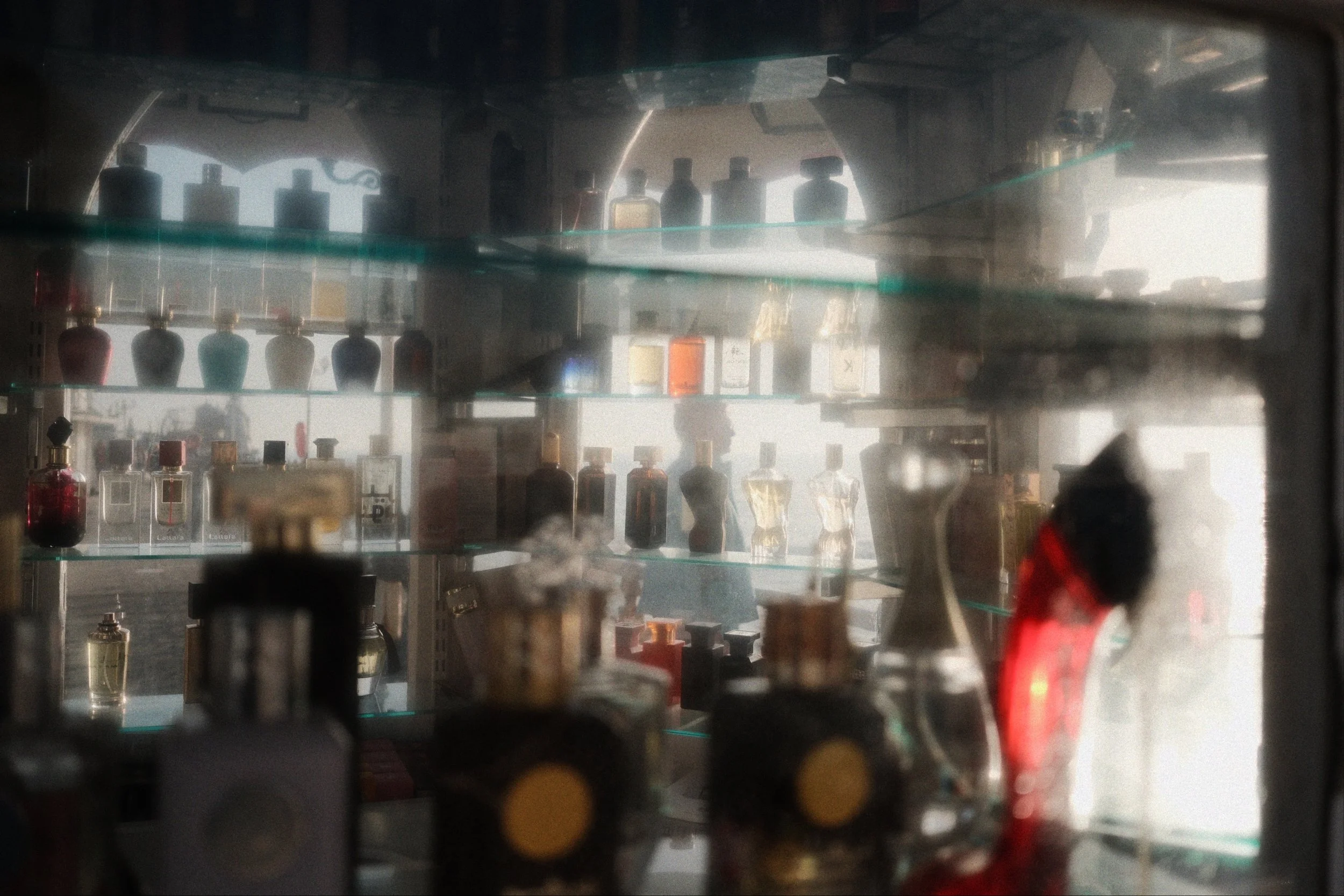
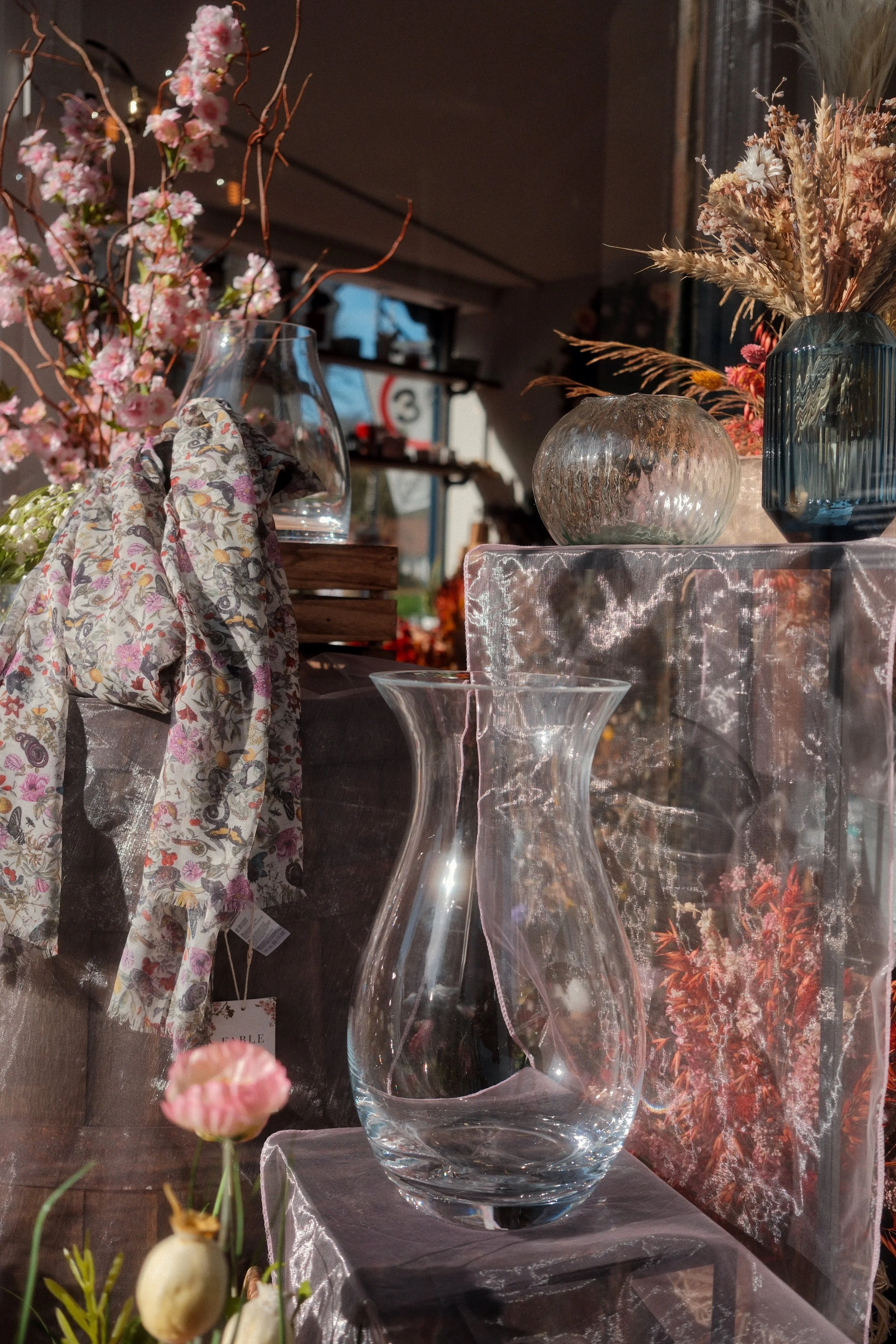
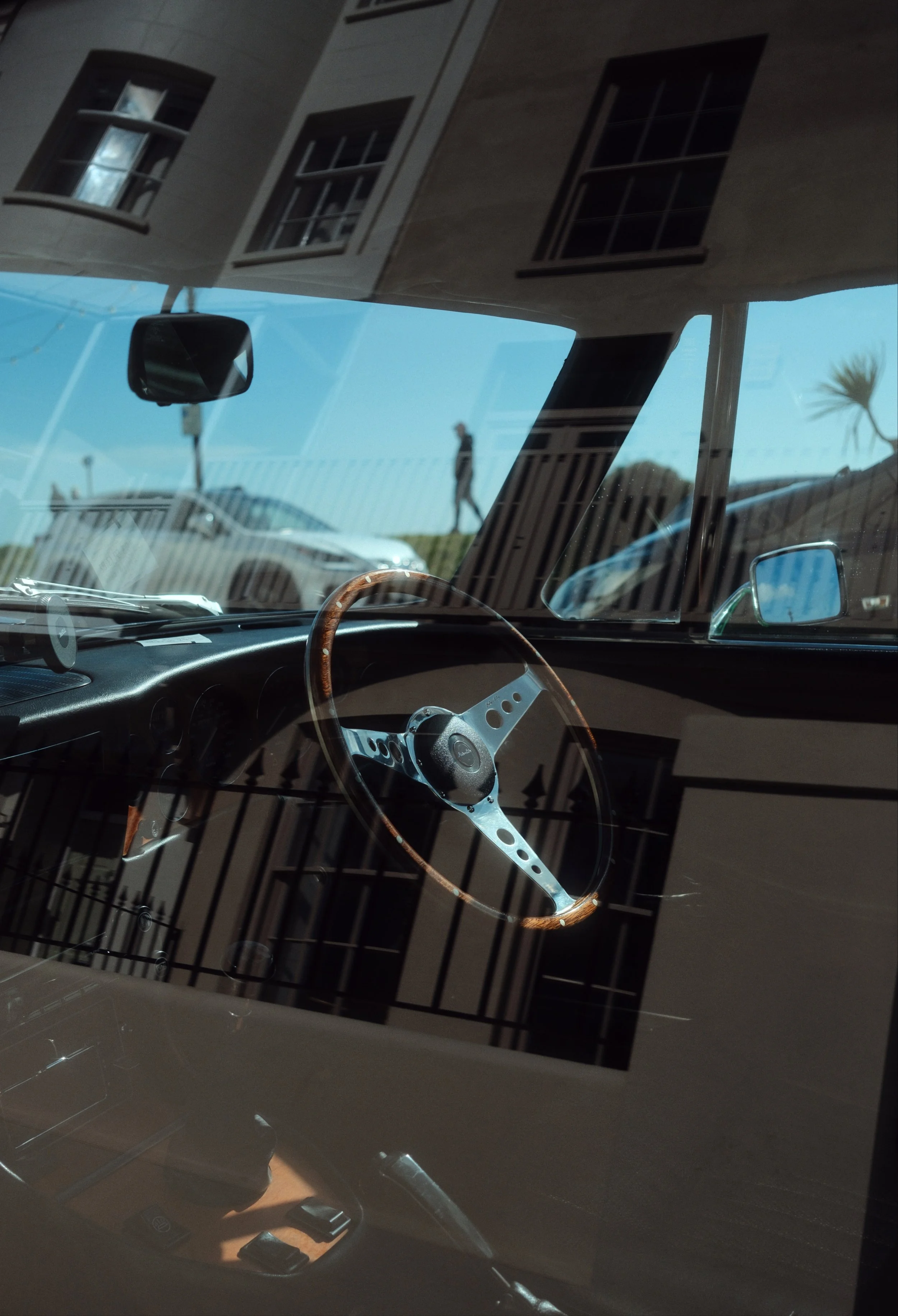
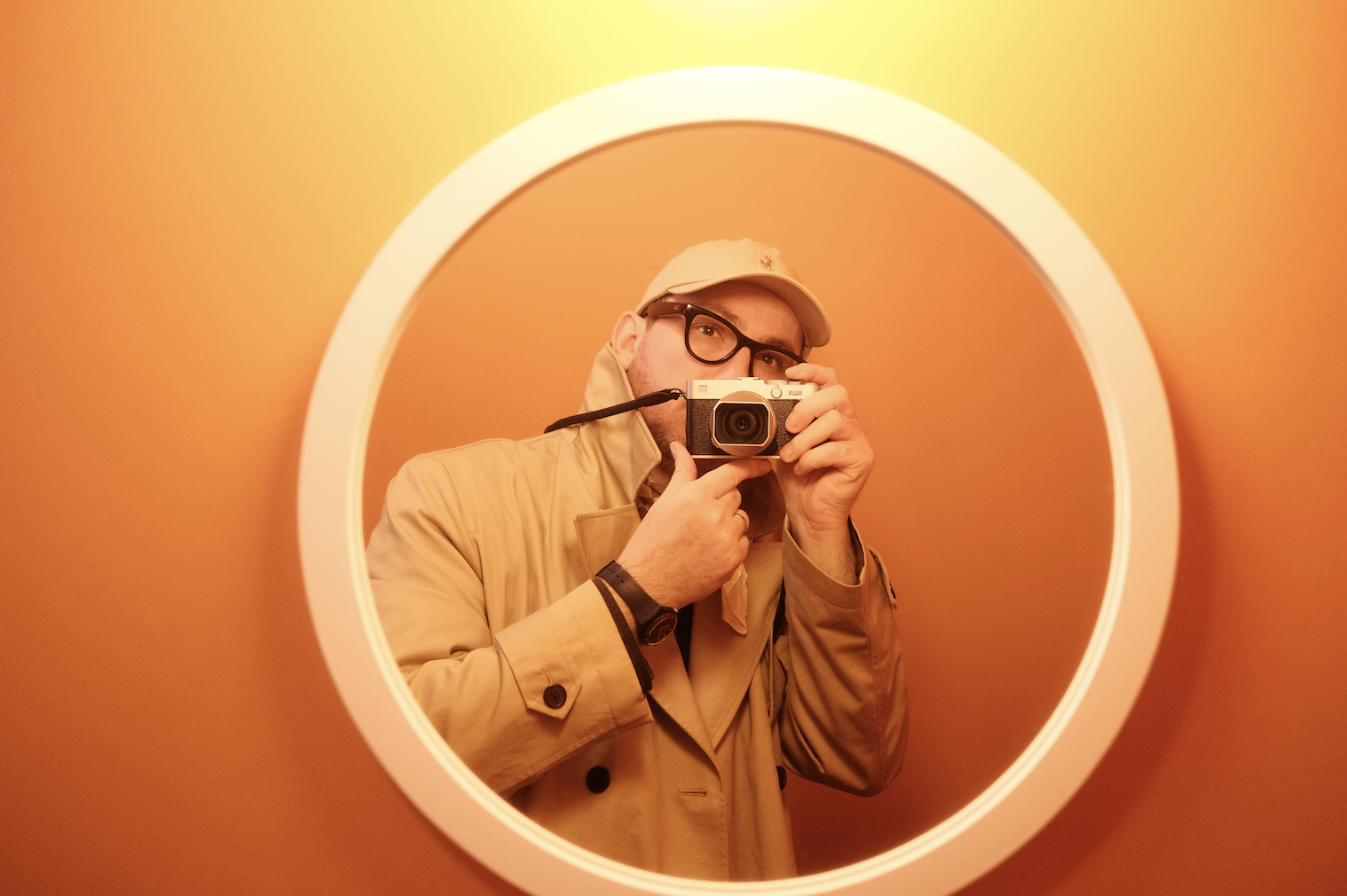
The photographs were taken in March 2026 in London, Tunbridge Wells, Eastbourne, Brighton and Worthing, using the Fujifilm X-E5 together with the 23mm f/2.8 lens.
Thank you for your attention.
Best wishes,
Taras Bychko
